The US II Marine Expeditionary Force was beginning to notice a trend.
As the broken Mobile User Object Systems (MUOS) stacked up on the shelf, the post-mortems were turning up the same flaw.
The MUOS antenna mast was becoming brittle and weak from use and exposure, and there weren’t cheap or quick to replace.
These systems are used for communications in remote locations, so can often become a critical piece of kit for soldiers in the field. A solution was going to be needed, and one Lance Corporal had an idea.
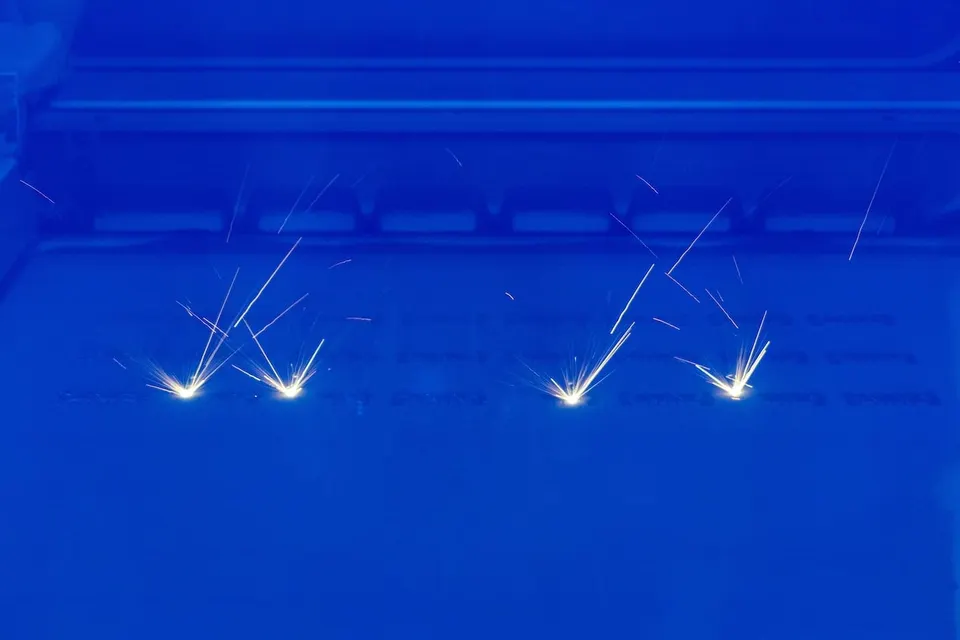
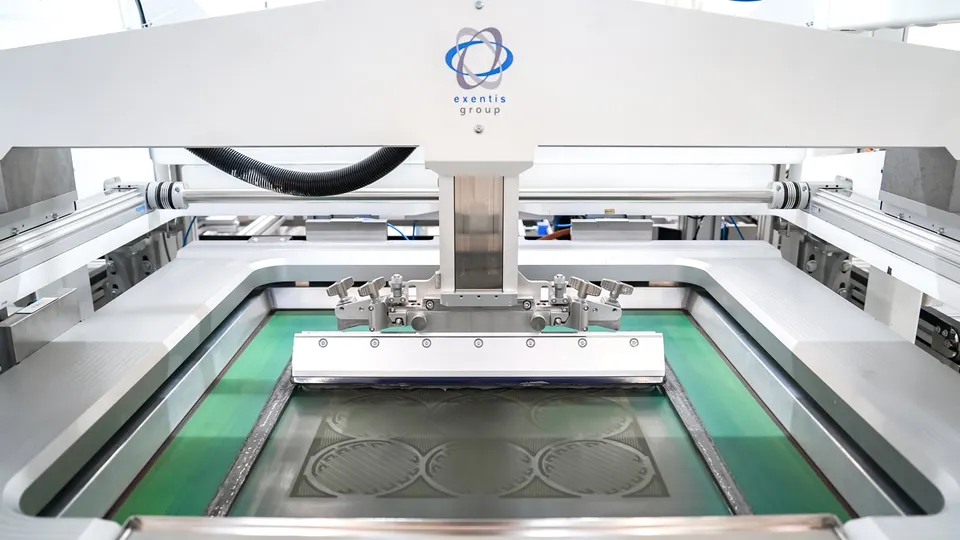
Additive manufacturing would return a better-performing part that would quickly save hundreds of thousands of dollars and decades in wait time.
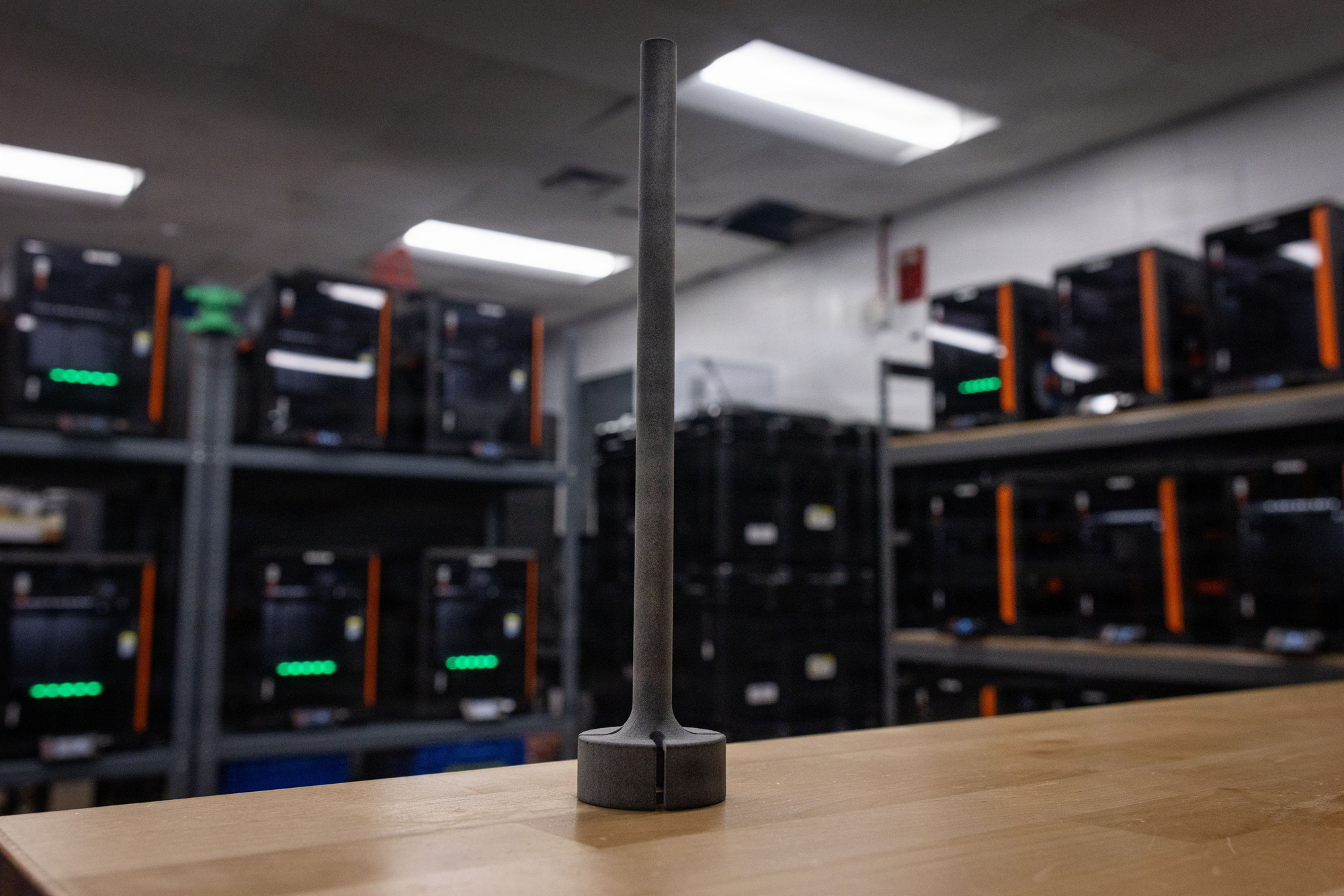
The part's function
Photo by Staff Sgt. Makayla Elizalde | US Marine Corps
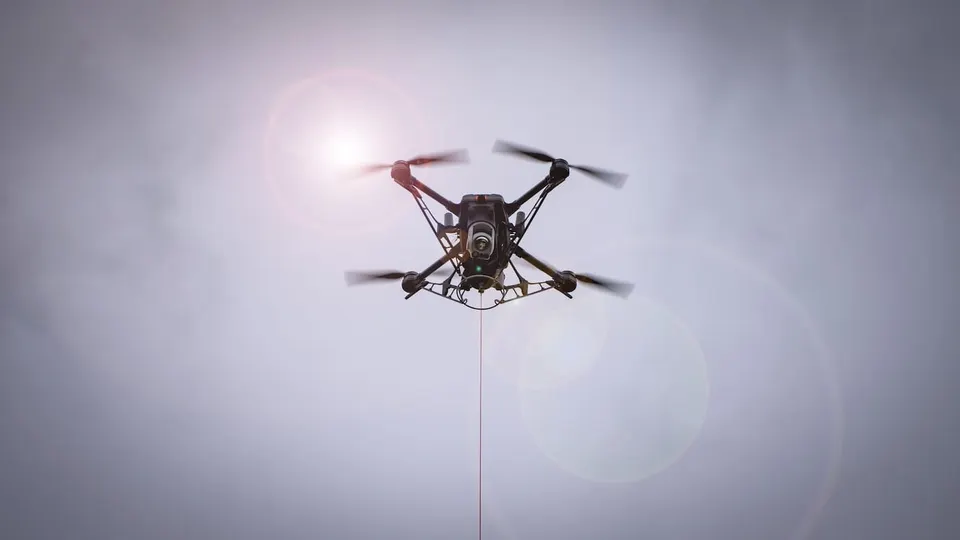
The antenna mast of a Mobile User Object System (MUOS) serves to hold the antenna in a secure position as the drone is in operation. MUOS devices are satellite communications systems used by mobile soldiers in austere and challenging environments.
For such a system to work, the antenna must be held in the correct orientation for it to connect with the satellite network above.
Typically, the antenna mast is expected to withstand field conditions, physical handling, and weather elements.