

The words 'biggest' and 'leading' get thrown around pretty generously in the world of events. In reality, the only way to truly grasp their enormity and influence is to see for yourself. Alas, if you weren't one of the 44,519 visitors who joined us at TCT Asia 2026 in Shanghai last week, let us paint you a picture of how three days at China's flagship event for the additive manufacturing and industrial 3D printing industry went down.
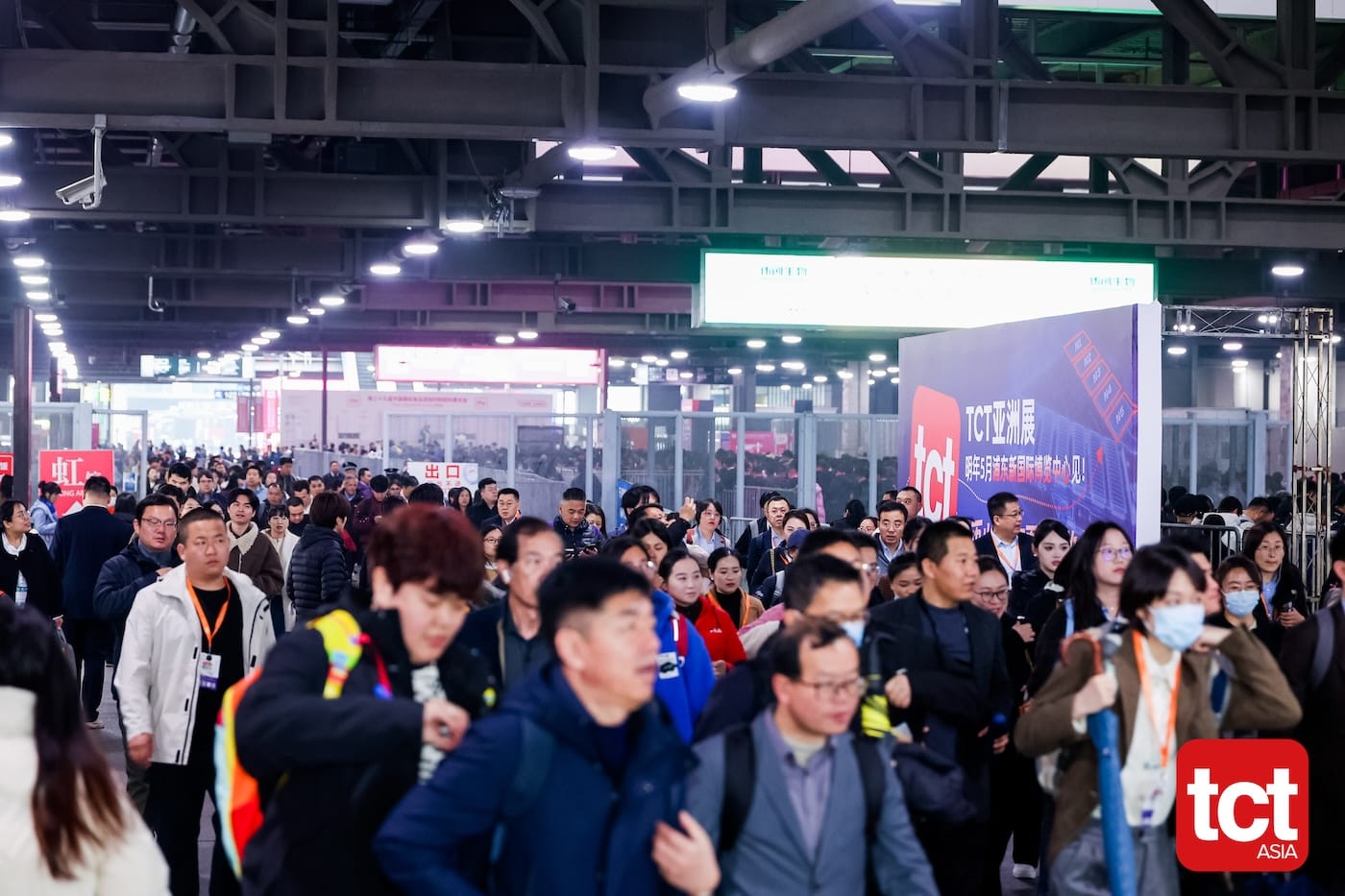
This year saw strong visitor growth, with a 42% increase year-on-year. Of those 40,000+ people in attendance, international visitors rose by 50%.
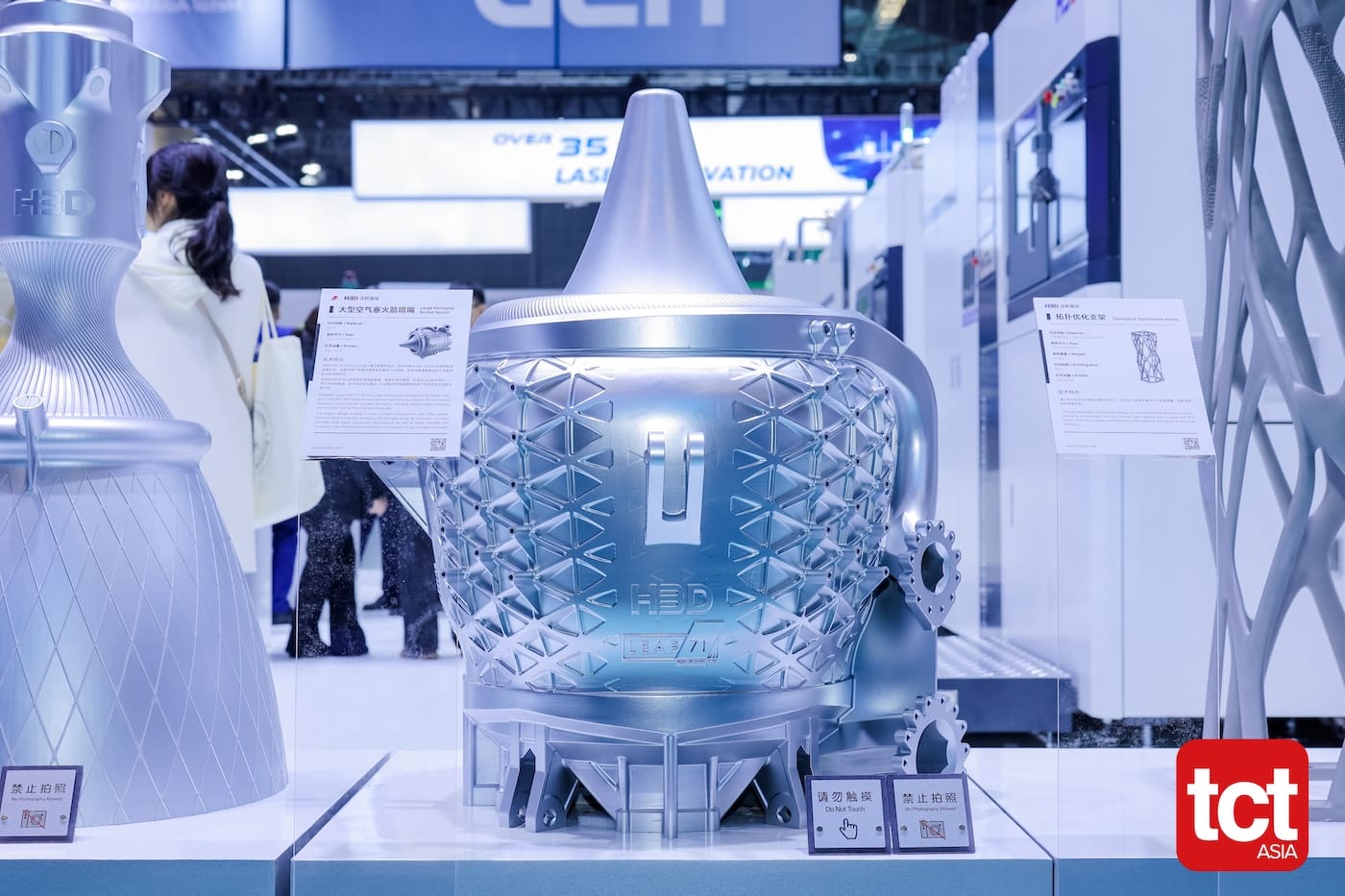
There are times, however, when 'biggest' might just be correct. Case in point, this additively manufactured aerospike rocket engine. A collaboration between LEAP 71 and HBD, this one-metre cryogenic methane/liquid oxygen engine, designated XRA-2E5, can generate 20 tons (200 kN) of thrust. It was engineered using Noyron, LEAP 71’s Large Computational Engineering Model and was exhibited on the HBD booth.
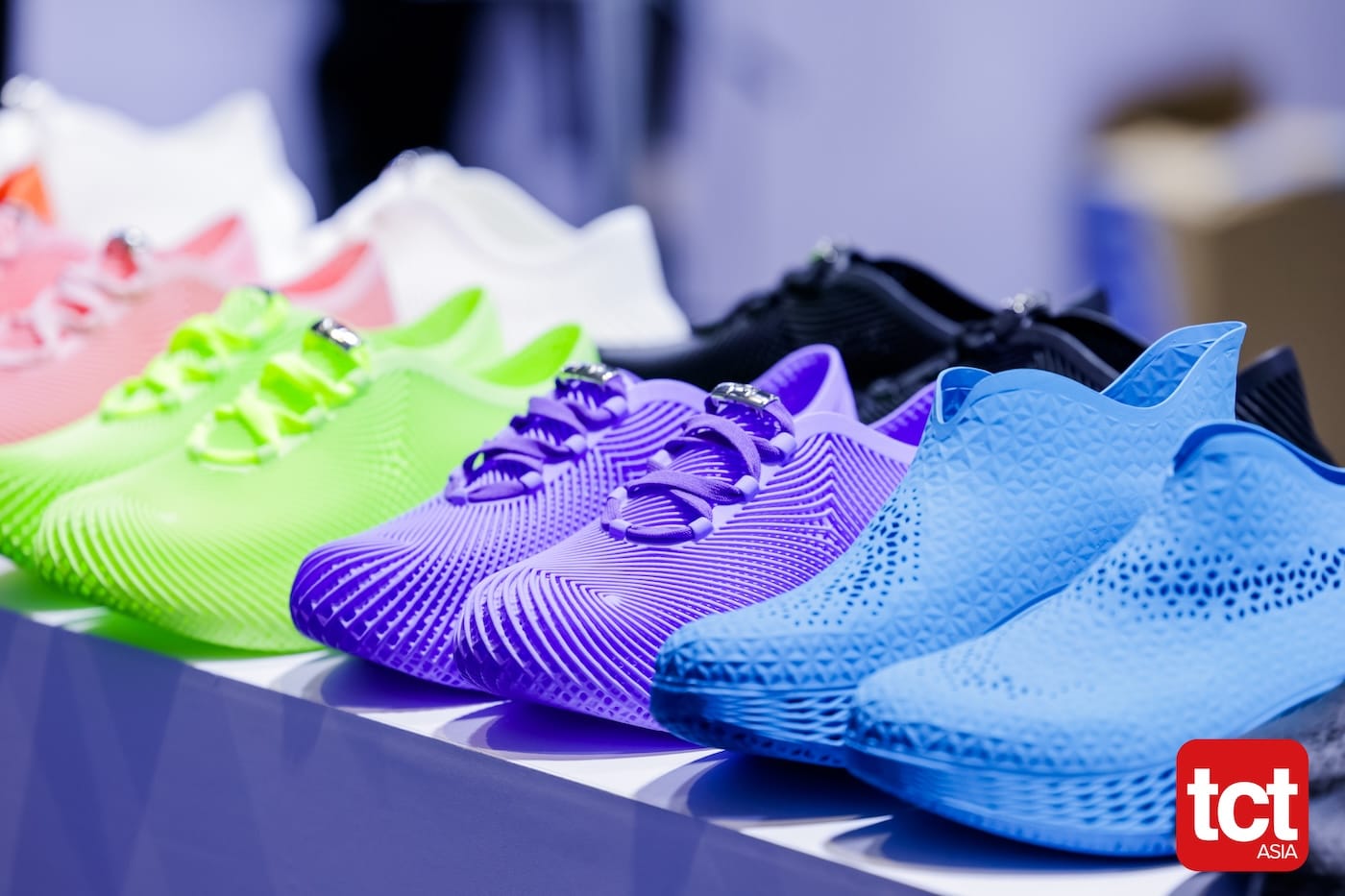
Footwear continues to be a big talking point at TCT Asia - and we don't just mean complaining about poor shoe choices for trekking around two huge halls. Last year UnionTech introduced its the Fuees430, specifically designed for rapid metal shoe mould production. This year was no different with plenty of exhibitors showing fully 3D printed shoes made from elastomers (above) and metal moulds (below).
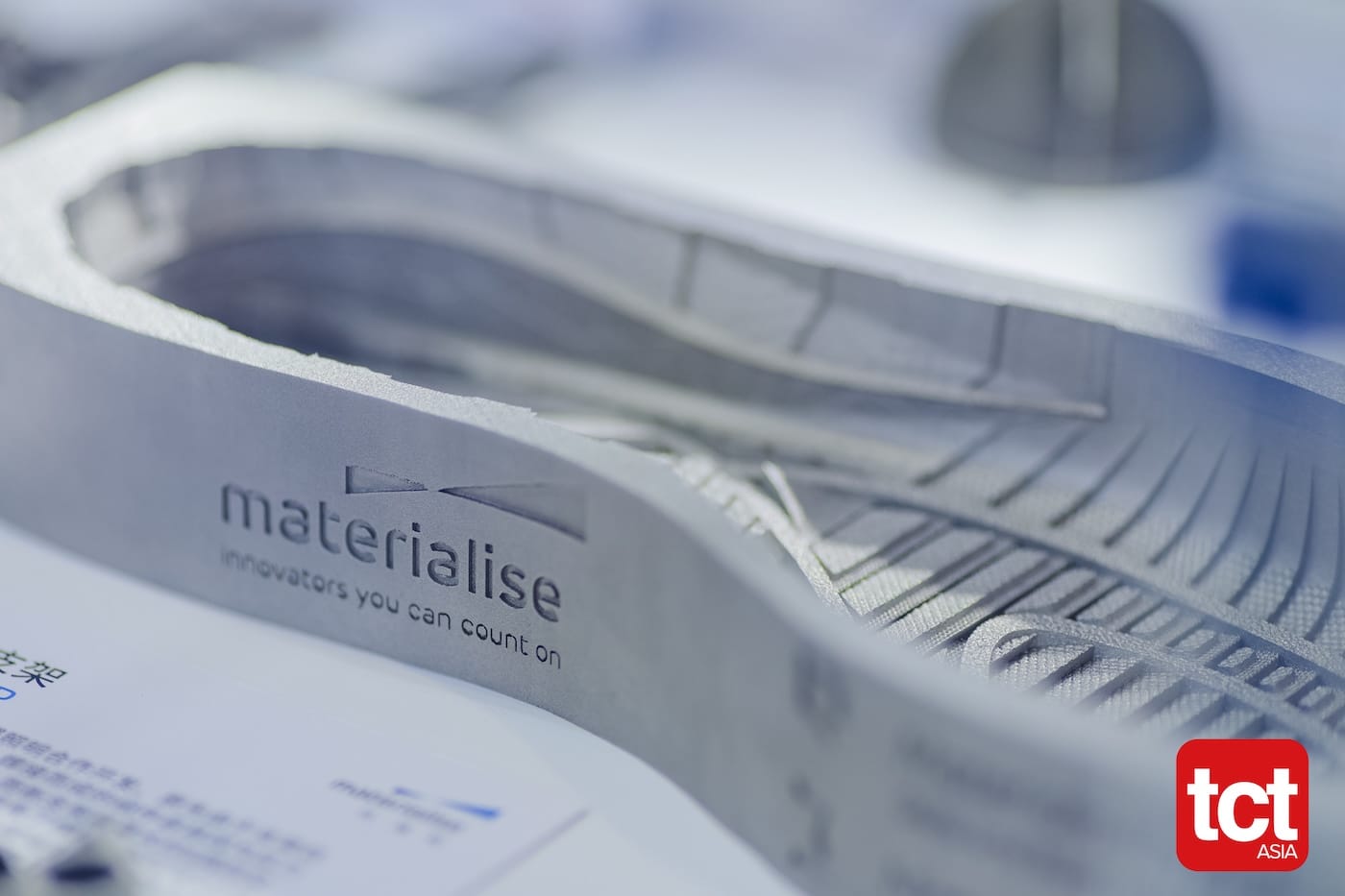
And that's another area showing no signs of slowing down - metals. The multi-laser race is very much on with machines from the likes of Bright Laser Technologies and Haitian Laser Machinery showing several systems. But has it finally peaked?
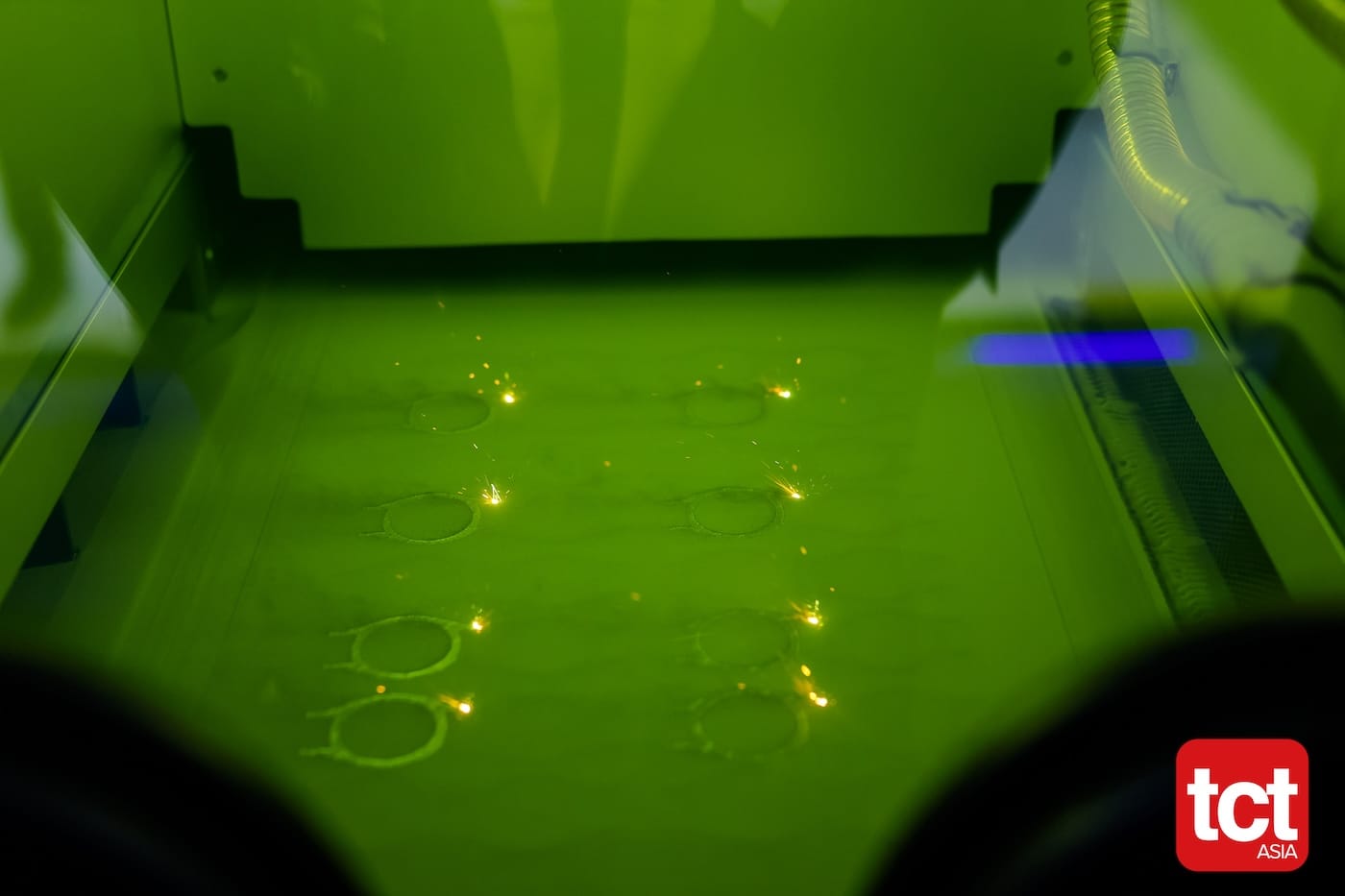
Farsoon, for example, launched what might be considered a pretty modest multi-laser offering. The company debuted the FS1311M-U, a new large-format metal Powder Bed Fusion (PBF) system, equipped with a 1310 × 1310 × 1650 mm build volume and 16-laser configuration. It also debuted the FS812M-U with a standard configuration of 8 or 10 lasers and an extended build volume to 810 x 810 x 1700 mm. It's the latest iteration of its popular 800 series and is the result of four years of enhancements to meet the demands of aerospace and high-volume automotive manufacturing.
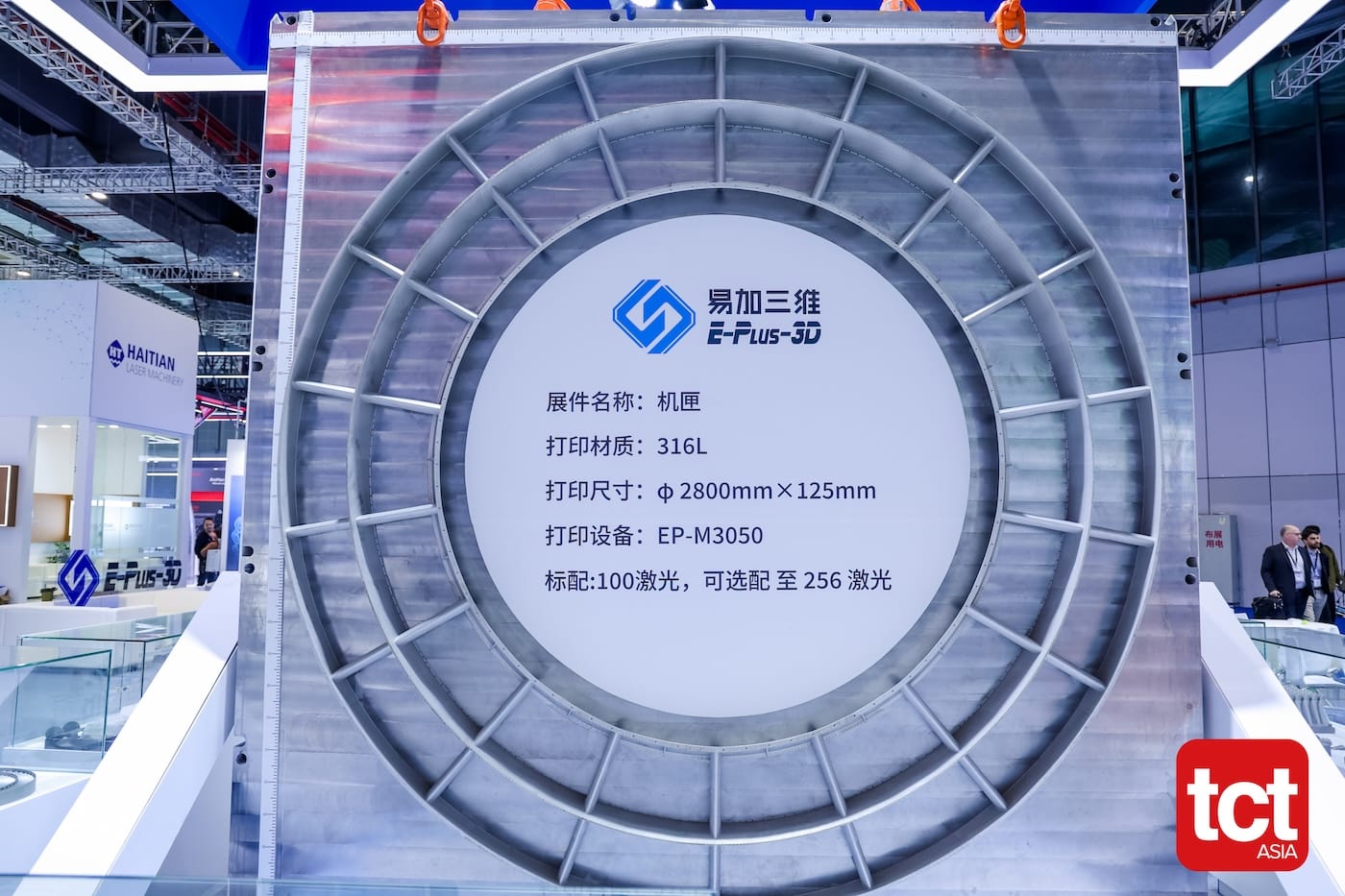
But, as usual, Eplus3D arrived with a new piece of hardware that completely blows all multi-laser competition - including its own 64-laser record - out of the water. While there was no machine present, the company teased the EP-M3050, a new metal 3D printer that can be configured with a whopping 256 lasers. It features a 3058 × 3058 x 1200 mm build volume and 1500-3500 cm/h (100 lasers) build speed, and is capable of producing huge parts like this 316L stainless steel 2.8 metre casing.
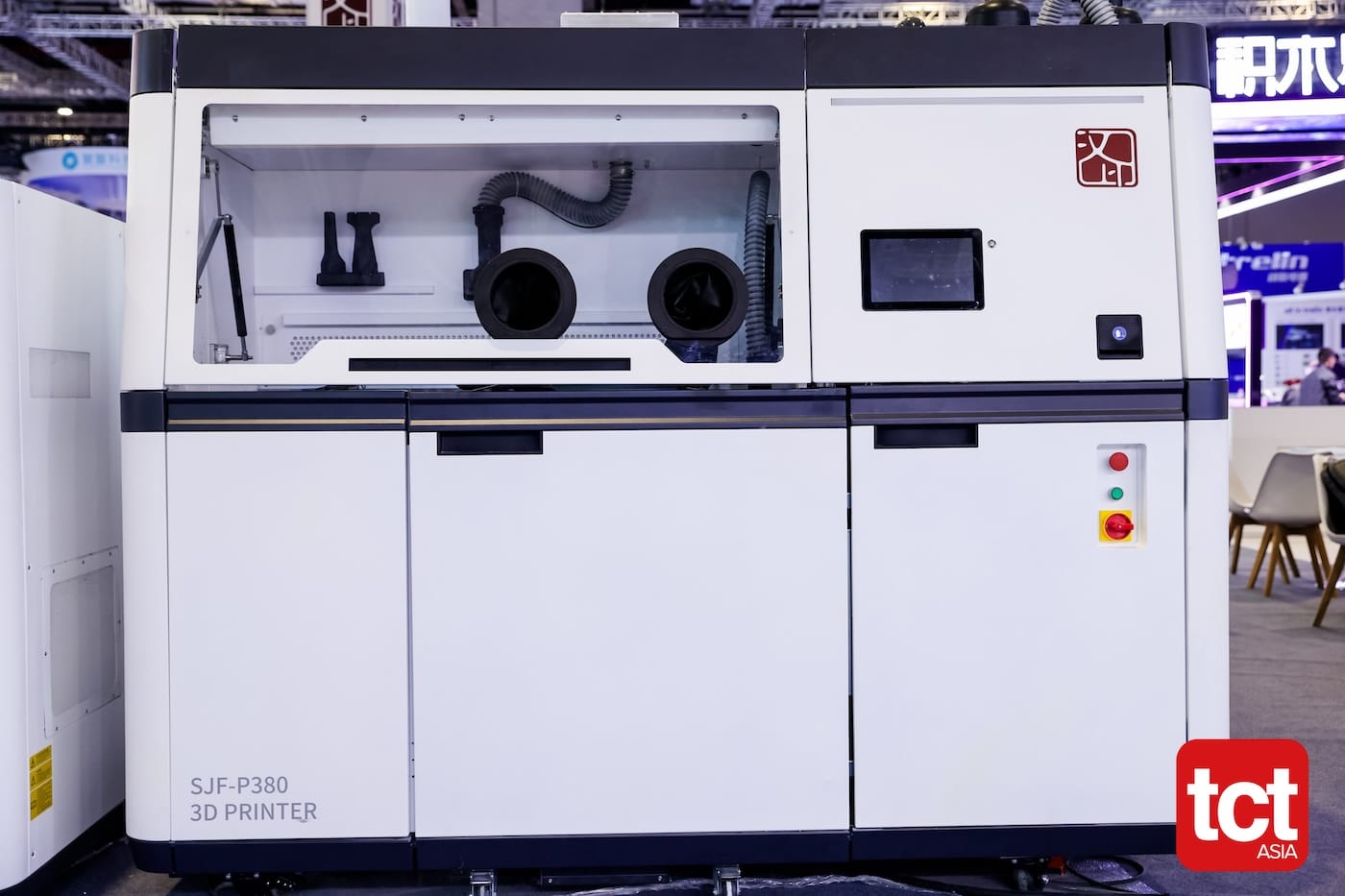
The polymer machine category also saw several launches. One of which came from 2D printing specialist Hanin, which debuted the LCD-L298, geared specifically for 3D printing with elastomers. The company has been expanding its play in the 3D printing space and also showed off its SJF-P380 system based on Selective Jet Fusion (SJF) technology - which, along with its post-processing and build stations, looks and sounds very familiar ...
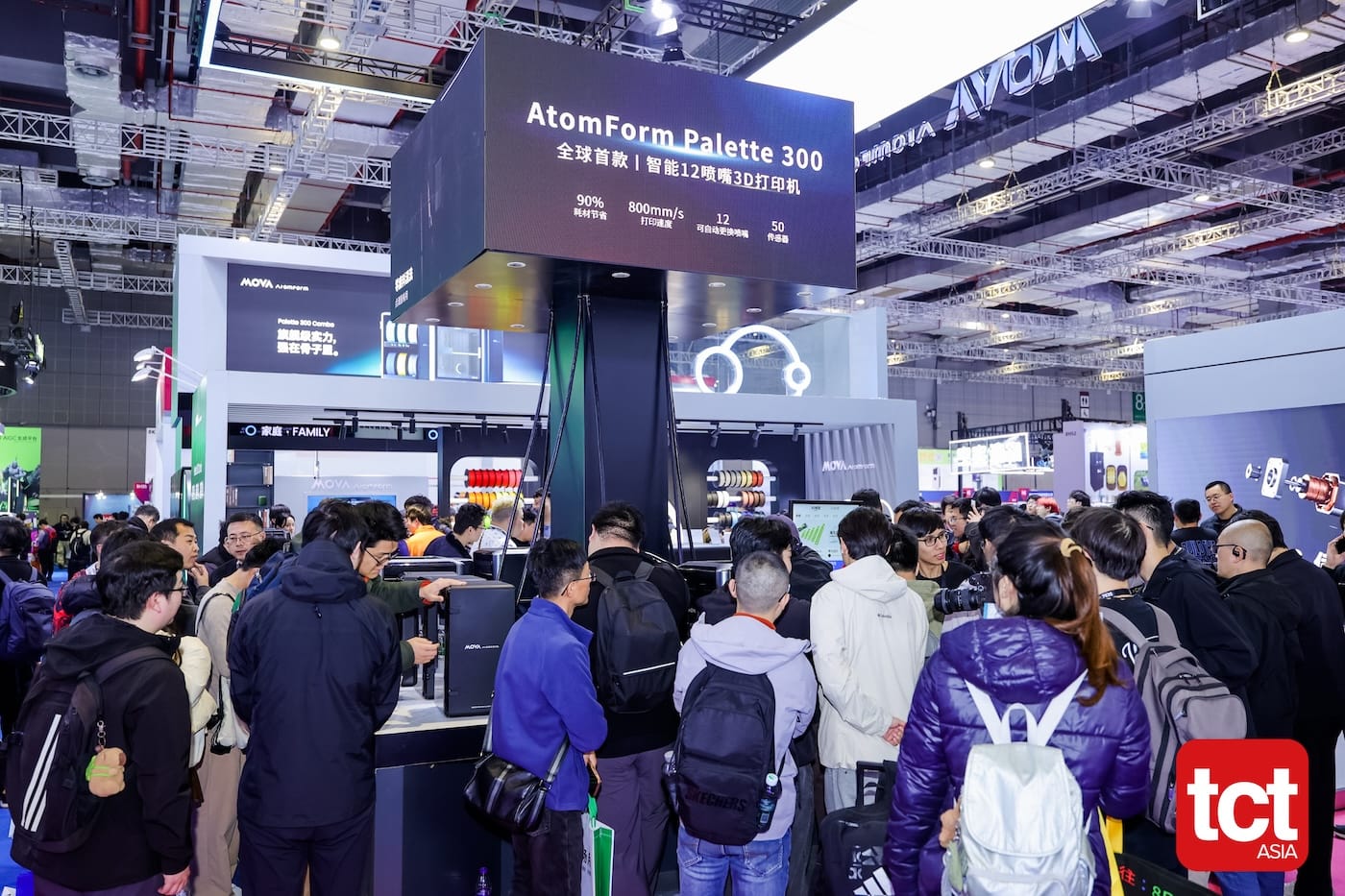
MOVA Atomform, a relatively new company at just over two years old, made a splash at the event, and is another example of how China is competing in more than just the industrial AM realm. It introduced its Palette 300 system at CES earlier this year, and brought the system along to TCT Asia. Harry Huang of MOVA told TCT that the event had gone better than the company could have imagined, with the new system attracting high levels of interest across the three days.
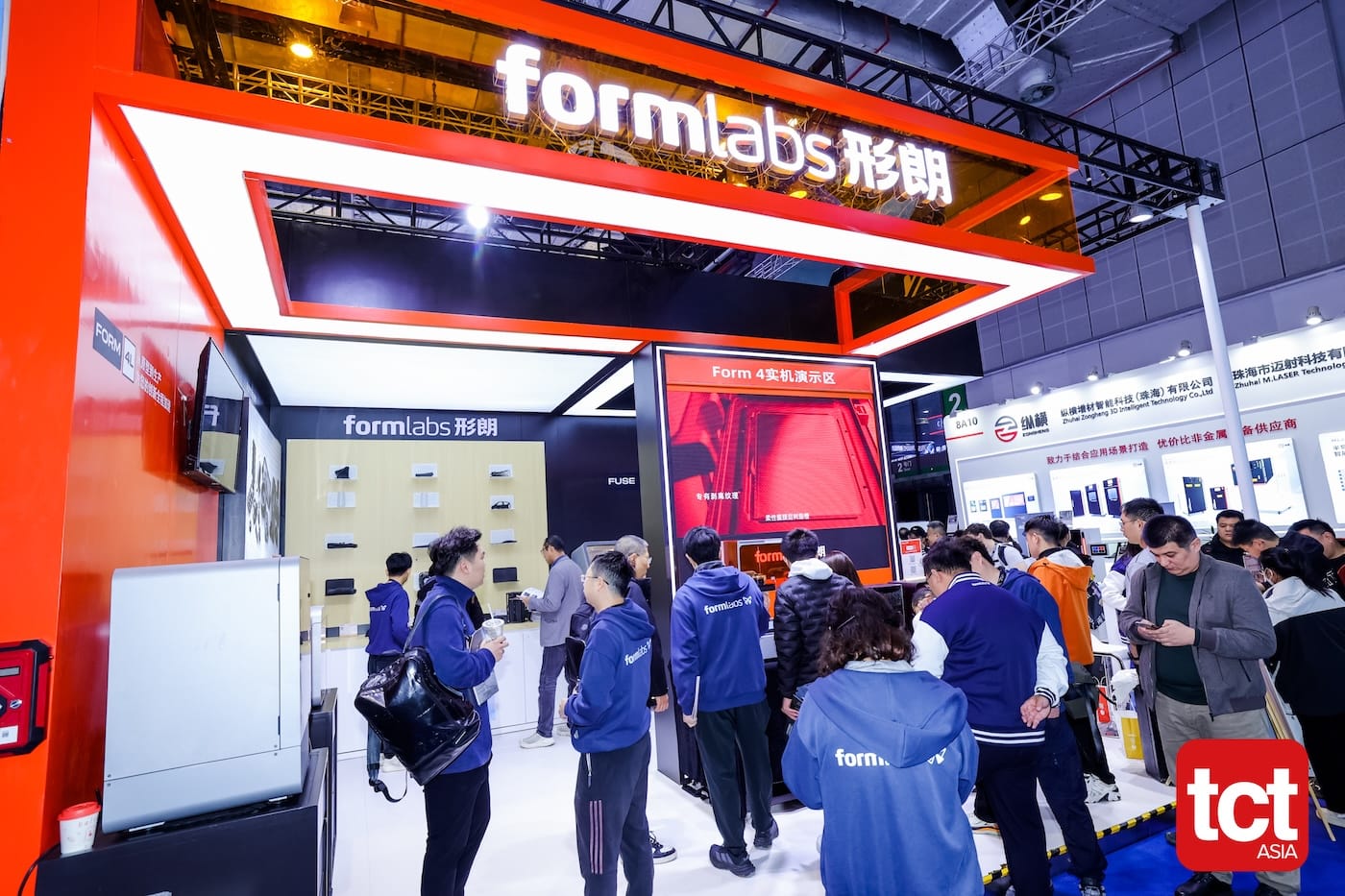
The impact of China on the additive manufacturing market is impossible to ignore. According to the most recent figures from CONTEXT, alongside aerospace and defence, the domestic market in China is 'doing most of the heavy lifting' when it comes to machine shipments. Formlabs, however, is a prime example of a Western company embracing the shift. The stereolithography leader, which manufacturers its machines in China, established a new office in Shenzhen last summer - more than doubling the size of its organisation in the region.
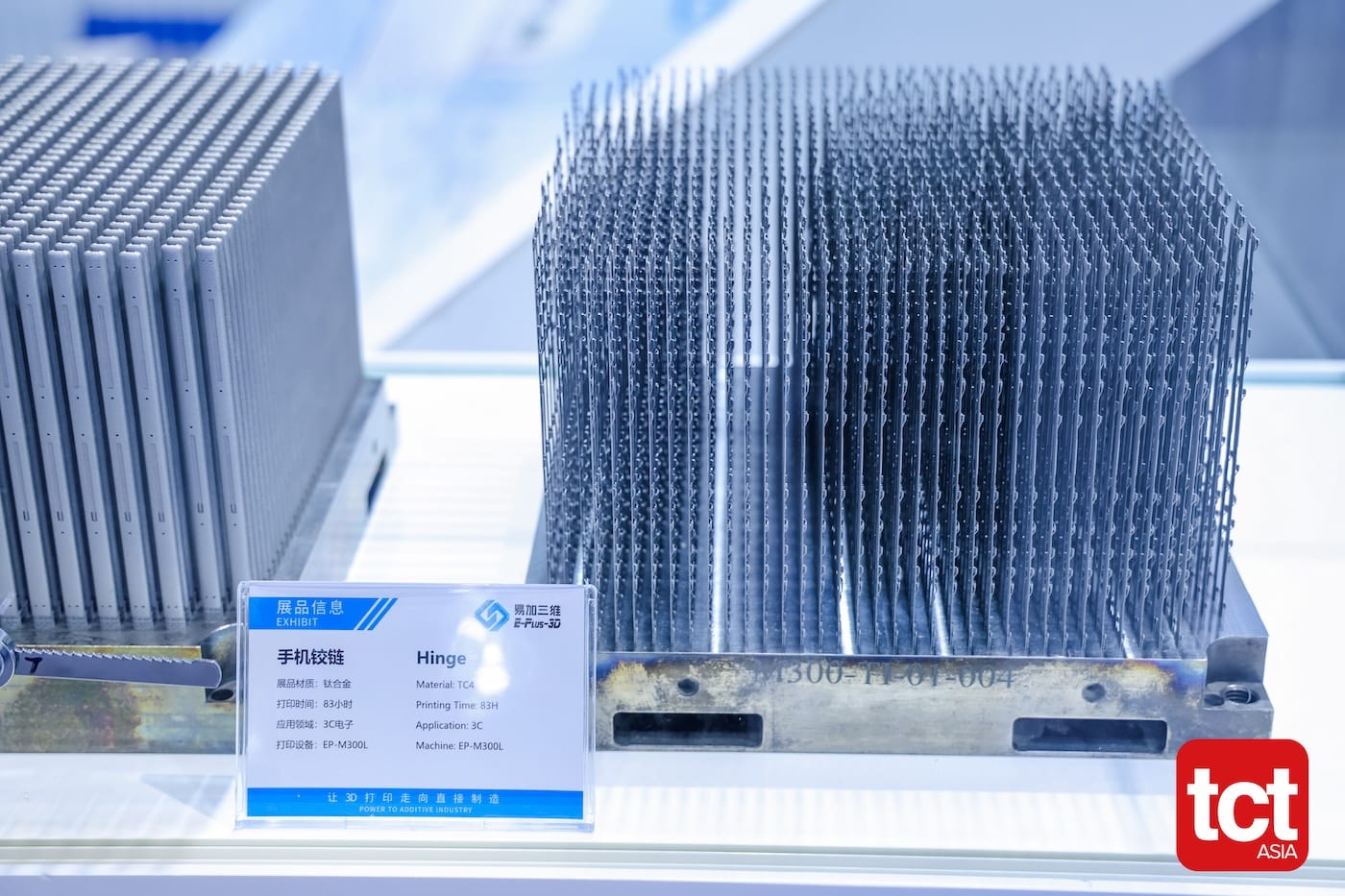
The 3C market represents a relatively new opportunity for the AM industry. Once considered incompatible to due the high volumes required, the technology has now earned the seal of approval from companies like OPPO and Apple, which are openly deploying metal AM for series production. Examples of this could be seen across the show floor, from smart watch cases to hinges for foldable phones.
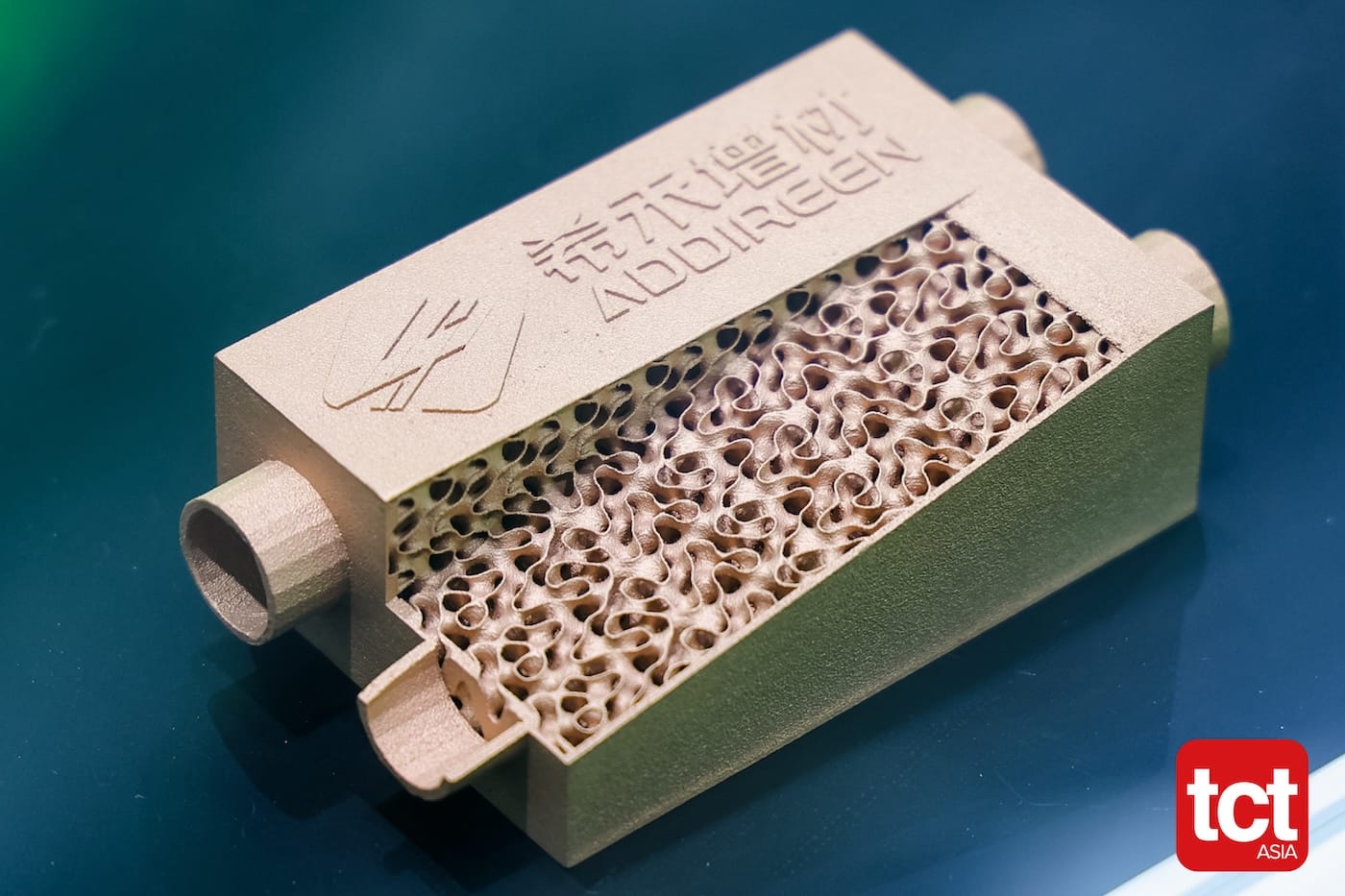
As the array of complex thermal management solutions on stands demonstrated, additive manufacturing may have a key role to play in the artificial intelligence boom. Addireen, which has developed one of the first green-laser metal AM technology, presented parts 3D printed in highly reflective and refractory materials, including pure copper components, which are being deployed in monolithic designs for AI liquid cold plates.

You don't need to wait too long to come see for yourself. TCT Shenzhen 2026 will take place on October 14–16 at the Shenzhen World Exhibition & Convention Center. For 2027, 'biggest' really is the word as TCT Asia moves to a much bigger home across five halls of the Shanghai New International Expo Center on May 27–29. See you there!


