
When it comes to measurement in metrology, reliability and accuracy can never be emphasised too much.
Measuring instruments being manufactured are subjected to different influences like changing environmental conditions. There is a need to calibrate the equipment to check if it is accurate when manufactured, allowing users to be confident in the further measurement results.
The quality and performance of final products are strongly associated with the quality of measurements. A malfunctioning instrument may disrupt the measurement process or may even pose a safety hazard.
What Is Calibration?
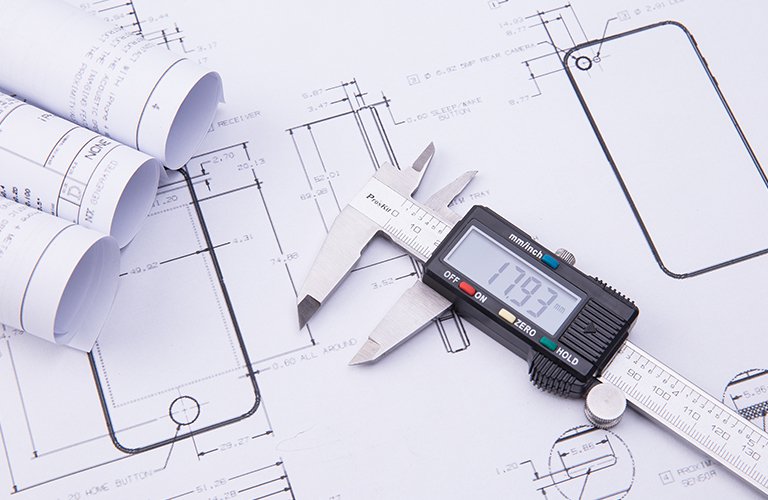
Calibration is the process of verifying the accuracy of an instrument, and it determines the traceability of the measurement.
Calibration should be performed by laboratories certified under ISO standards, providing calibrations that can be traced to the national metrology institutions of standards.
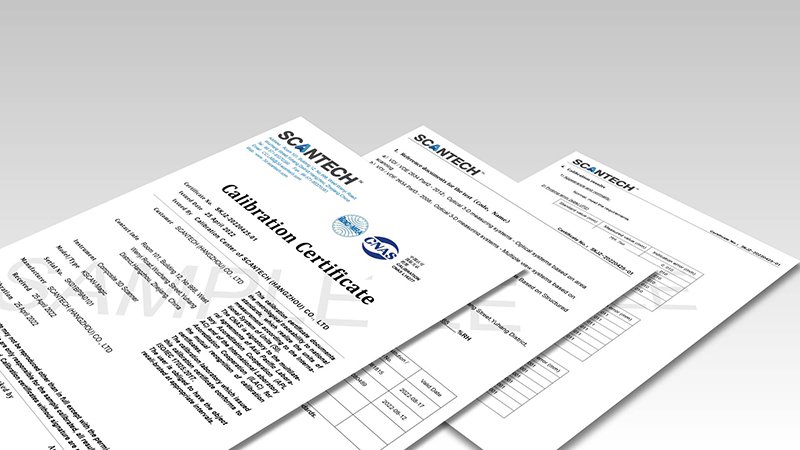
The calibration lab will generate a calibration certificate that includes an identification code when the calibration has been completed. The calibration certificate issued by a calibration laboratory should consist of information such as the details of the laboratory, a description of the instrument, a list of standards used as a reference, calibration results, and a statement of traceability.
By calibrating an instrument, you can ensure that the device will measure within the desired range for your application.
What Makes Calibration Laboratories Qualified?
During the calibration process, there are many factors to consider. It is essential that technicians manage, equipment, tools, and procedures carefully.
Throughout the world, metrology institutes advance measurement science by developing and validating new measurement techniques at the required levels of sophistication. One of the most valuable standards for any organisation that performs testing, sampling, or calibration is ISO/IEC 17025.
What Is ISO/IEC 17025:2017 Accreditation?
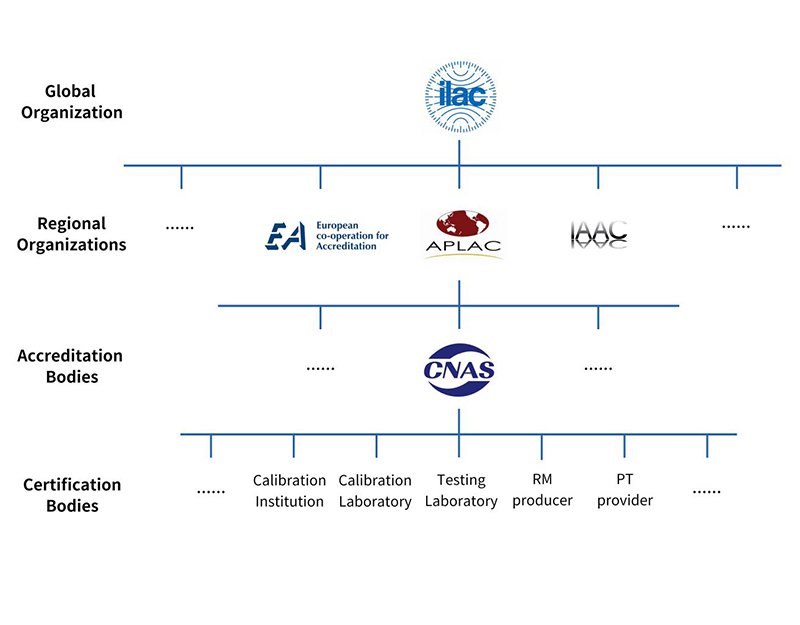
The ISO/IEC 17025:2017 accreditation is an internationally recognised quality management standard that specifies requirements for testing and calibration laboratories. It enables laboratories to demonstrate that they meet the technical specifications of testing and calibration methods, traceability, result report, personnel proficiency, and others.
The requirements of ISO 17025 include accredited program, equipment traceability, quality assurance of test and calibration data, quality management system, environmental controls, technical competence of staff, risk management system, proficiency testing of calibration equipment, and internal and external audits.
What Does ISO Accreditation Mean for Laboratories?
On May 13th, Scantech announced that its Calibration/Certificate Laboratory Center received the ISO/IEC 17025:2017 accreditation from China National Accreditation Service for Conformity Assessment (CNAS), demonstrating the company’s competency in calibration and metrology.
Scantech is set to become the first enterprise calibration laboratory to receive accredited CMC with JJF 1951-2021 Specification1 (to be officially implemented on June 28th, 2022) from CNAS in China.
Since its establishment in 2020, Scantech Calibration Center has been operating with experts in the field of metrology. Workers in Scantech calibration laboratories are currently working as per the guidelines for international best practices. A level of competence that is internationally agreed upon implies that results can be trusted.

What is New for Scantech?
The accreditation enables Scantech to perform traceable optical 3D scanning measurements and calibrations in accordance with national specifications and international standards.
“Accreditation of ISO/IEC 17025:2017 represents that our calibration centre now has a nationally and internationally recognised quality management system. We can provide our company and customers with calibrations that meet international standards. ” says Fale Fang, Director of Scantech Calibration Center.
The Scantech Calibration Center is equipped with a series of calibration instruments, such as CMM, multi-specification step gauges, ball-bar artefacts, multi-specification standard measuring spheres, gauge blocks, laser interferometer, and calibration device for optical 3D scanning measurement, with high technical competency.
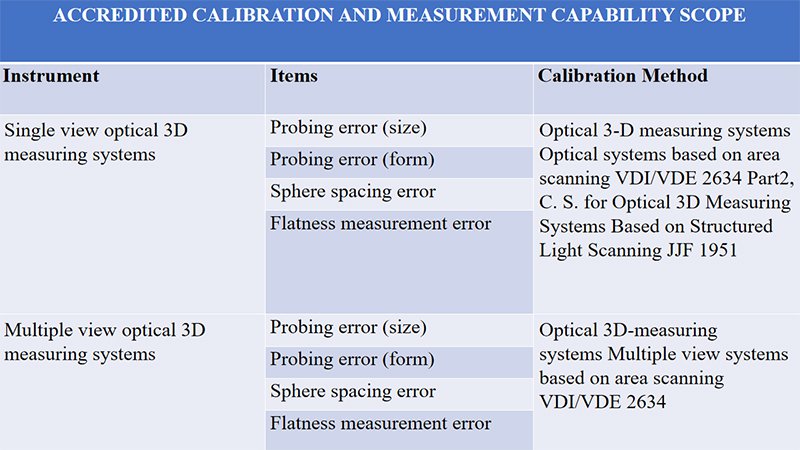
The calibration and acceptance test of their handheld 3D scanner, global 3D scanner, composite 3D scanner, optical tracking 3D scanner, and automated 3D measurement system are based on JJF 1951-2021 specification and VDI/VDE 2634 Part3 – 2008 (Optical 3D-measuring systems: Multiple view systems based on area scanning) and VDI/VDE 2634 Part2 – 2012 (Optical 3-D measuring systems: Optical systems based on area scanning).

The international specifications detail requirements for measurement. According to JJF 1951, VDI/VDE 2634 Part3, the accuracy of Scantech’s 3D scanner and automated 3D measurement system is reflected by the following index.
What Else Can We Expect From Accreditation?
Obtaining a certificate for calibration was not the primary goal for Scantech. The accreditation is the way to demonstrate its calibration competency and the endeavour to provide solid basis for high-quality handheld 3D scanners and automated 3D measurement system. The calibration allows end users to know whether critical equipment corresponds to the strict specifications.
A Glimpse Into Scantech Precise 3D Scanners
Scantech offers professional handheld 3D scanners and automated 3D inspection systems in all product manufacturing and production phases. These innovative professional 3D laser scanners can enhance your productivity and optimise your product life cycle management without the need to compromise accuracy and efficiency.
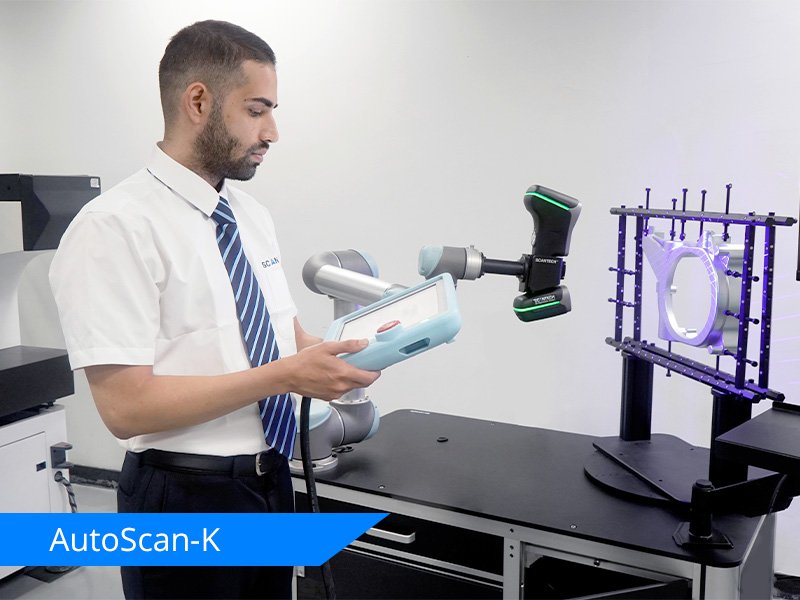
Designed for automated quality control application
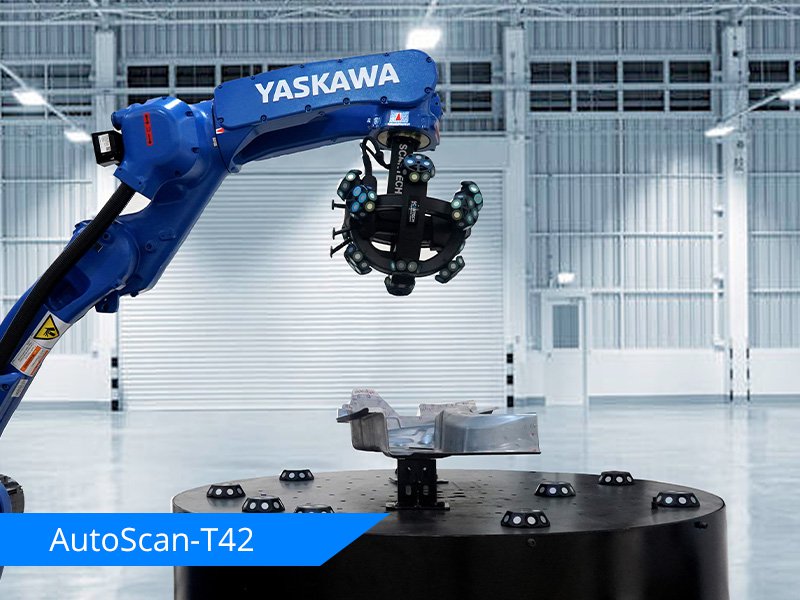
Optical Automated Inspection for Intelligent Production Lines
Metrology-grade 3D scanning without markers
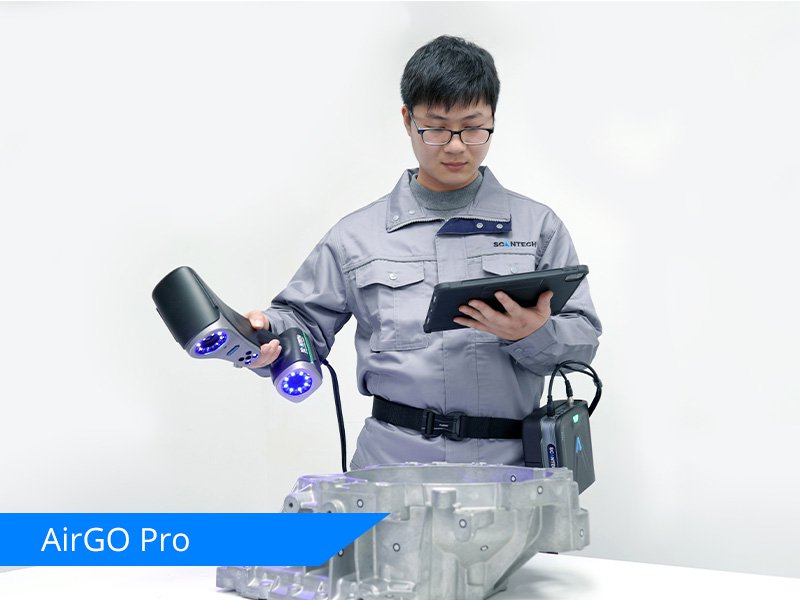
New Superpower for Wireless 3D Scanning
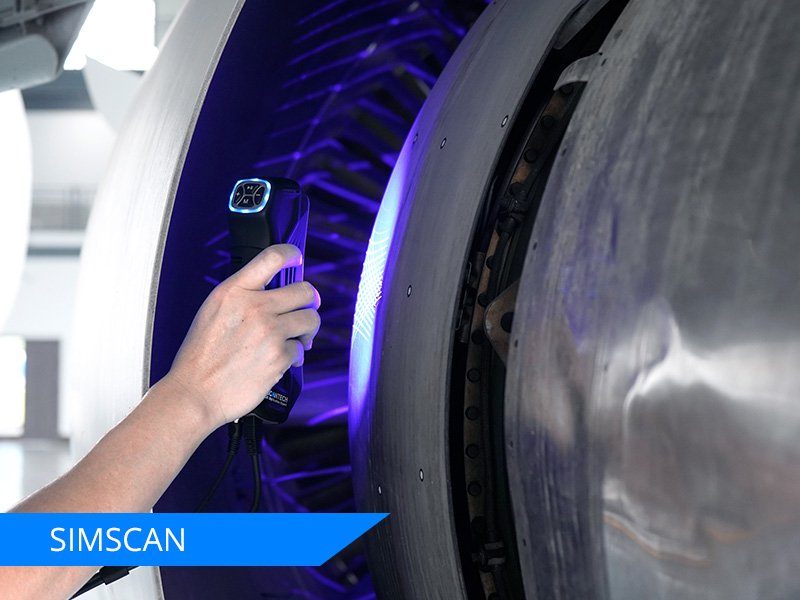
● SIMSCAN
Designed for 3D scanning narrow spaces
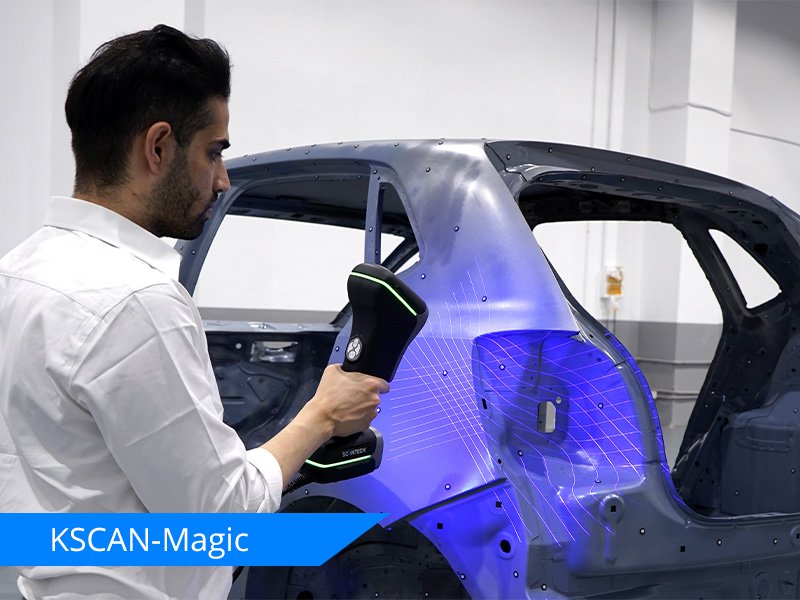
Ultra-highly precise metrology-grade 3D scanner
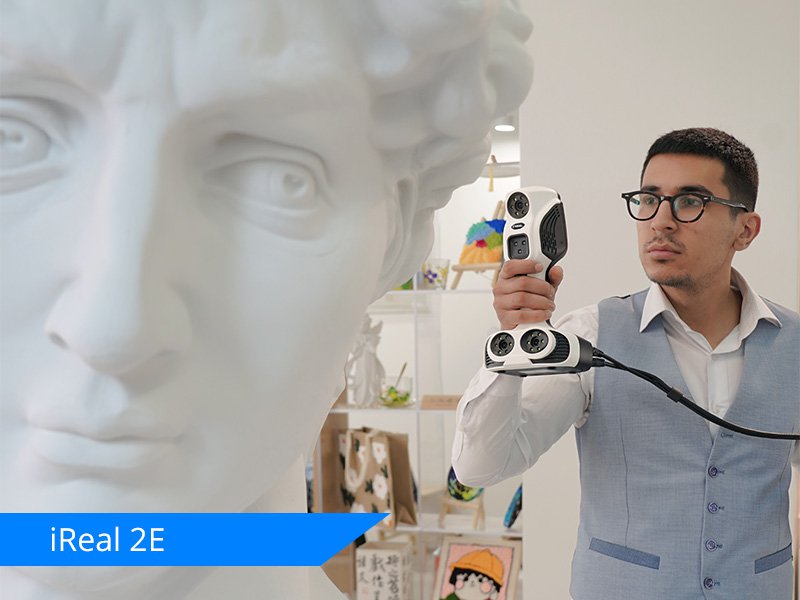
● iReal 2E
Especially for capturing realistic texture
About Scantech
Scantech specialises in the development, manufacture, and sale of handheld 3D laser scanners, colour 3D scanners and automated 3D scanning solutions, all of which are granted intellectual property rights. Our professional and dedicated team is continually dedicated to advancing 3D measurement to enhance product development, industrial manufacturing, inspection, and more.


