

A Life Cycle Assessment study into Continuum Powders’ recycled nickel powder, conducted by Oregon State University, has indicated a significant reduction in global warming potential (GWP) compared to conventional materials and methods.
Global warming potential is a measure of how much heat a greenhouse gas traps in the atmosphere compared to carbon dioxide.
Since nickel powder is a critical feedstock for the additive manufacture of aerospace propulsion systems, energy infrastructure, defence platforms and other industrial applications, Oregon State sought to understand the sustainability credentials of Continuum’s recycled nickel offering.
Citing a scarcity of primary nickel resources in the US, as well as geopolitical volatility and Scope 3 emissions targets, the use of recycled feedstock is considered key to reshoring and carbon emission reduction initiatives.
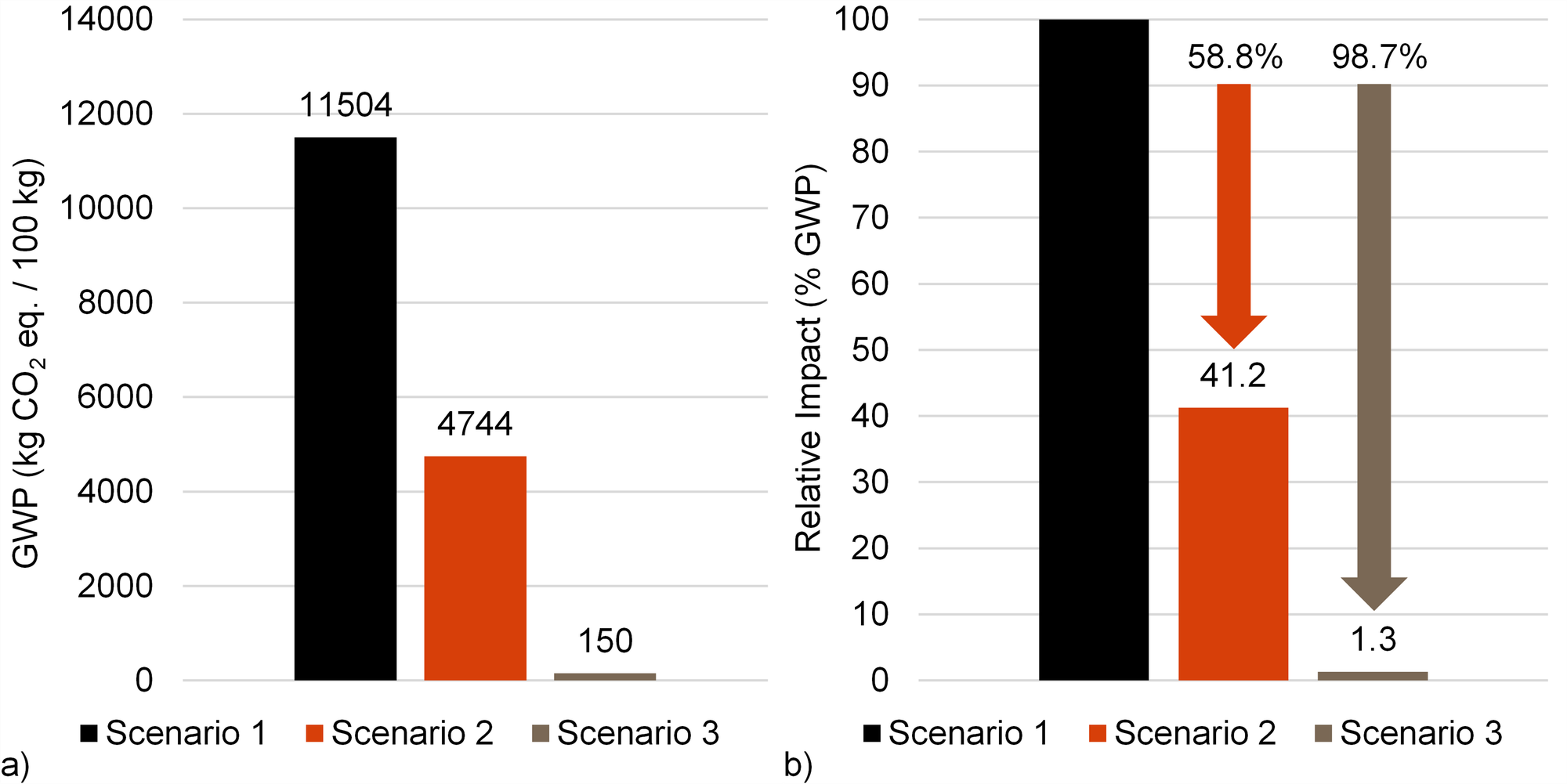
Oregon State’s study modelled three production scenarios: A conventional process using virgin nickel powder, Continuum’s process using recycled nickel, and Continuum’s process using recycled nickel combined with green electricity and green argon.
In the conventional scenario, virgin nickel production itself accounted for about 62% of total GWP.
Using recycled nickel reduced global warming potential by 58.8% compared to virgin material.
And when paired with green electricity and green argon, the reduction reached 98.7%.
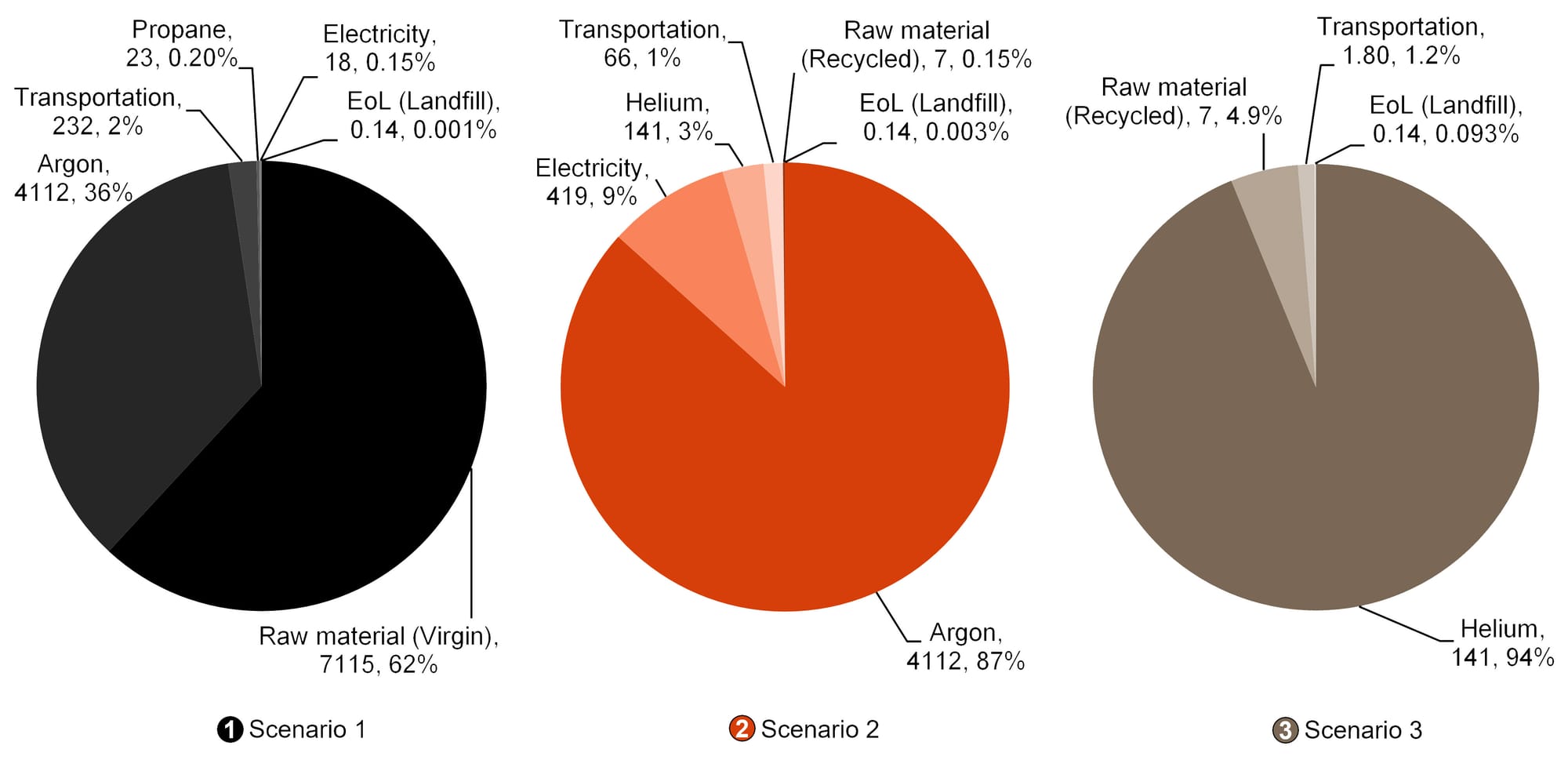
Oregon State suggests these findings indicate that ‘near-total emission reduction is not theoretical, but achievable under commercially viable operating conditions.’ It also stated that, ‘in recycled-material scenarios, argon and electricity were the dominant contributors to GHG impact,’ with ‘feedstock selection and utility sourcing representing the most powerful levers for reducing the carbon intensity of nickel powder production.’
Continuum Powders produces material feedstock via its Greyhound M2P System, which reclaims and reprocesses metal feedstock into high-quality powder. The process uses a DC plasma heat source to atomise powders with ‘uniform particle size, spherical shape and exceptional flowability,’ according to Continuum.


