

Divergent Technologies has unveiled its Monolith One metal powder bed fusion system, equipped with twelve 2kW lasers and a build volume of 700 x 700 x 835 mm.
The Monolith One is the result of 28 months of in-house design, engineering and development led by Chief Technology Officer Brian Erhartic. It forms a key component of the Divergent Adaptive Production System (DAPS) and is not commercially available to purchase or license.
Standing at over eight metres tall and six metres wide, the Monolith One has been built for 'continuous, high-throughput operations' and will support the production of tens of thousands of munition airframes or hundreds of thousands of critical piece parts each year at a new 430,000 sq.ft. facility in Long Beach, CA. Six Monolith One machines are in operation at the company's headquarters in Torrance, CA, with a further 64 units to be brought online in Long Beach over the next two years. These increased manufacturing operations will deliver an 8x increase in annual production output for customer programs across the defence and commercial sectors, according to Divergent.
“The Monolith One is the first metal 3D printer designed ground up for scaled production of critical hardware,” said Lukas Czinger, CEO and Co-Founder of Divergent. “Importantly, its design encompasses the years of operational insights we have earned delivering production structures to the defence and commercial sectors. Monolith One is an American machine with an American supply chain. We are building them at a rate today, and our Long Beach factory will house 64 more of them. With annual output in the tens of thousands of munitions airframes or hundreds of thousands of critical piece parts, our second factory represents the new industrial age at scale.”
Monolith One - Key capabilities
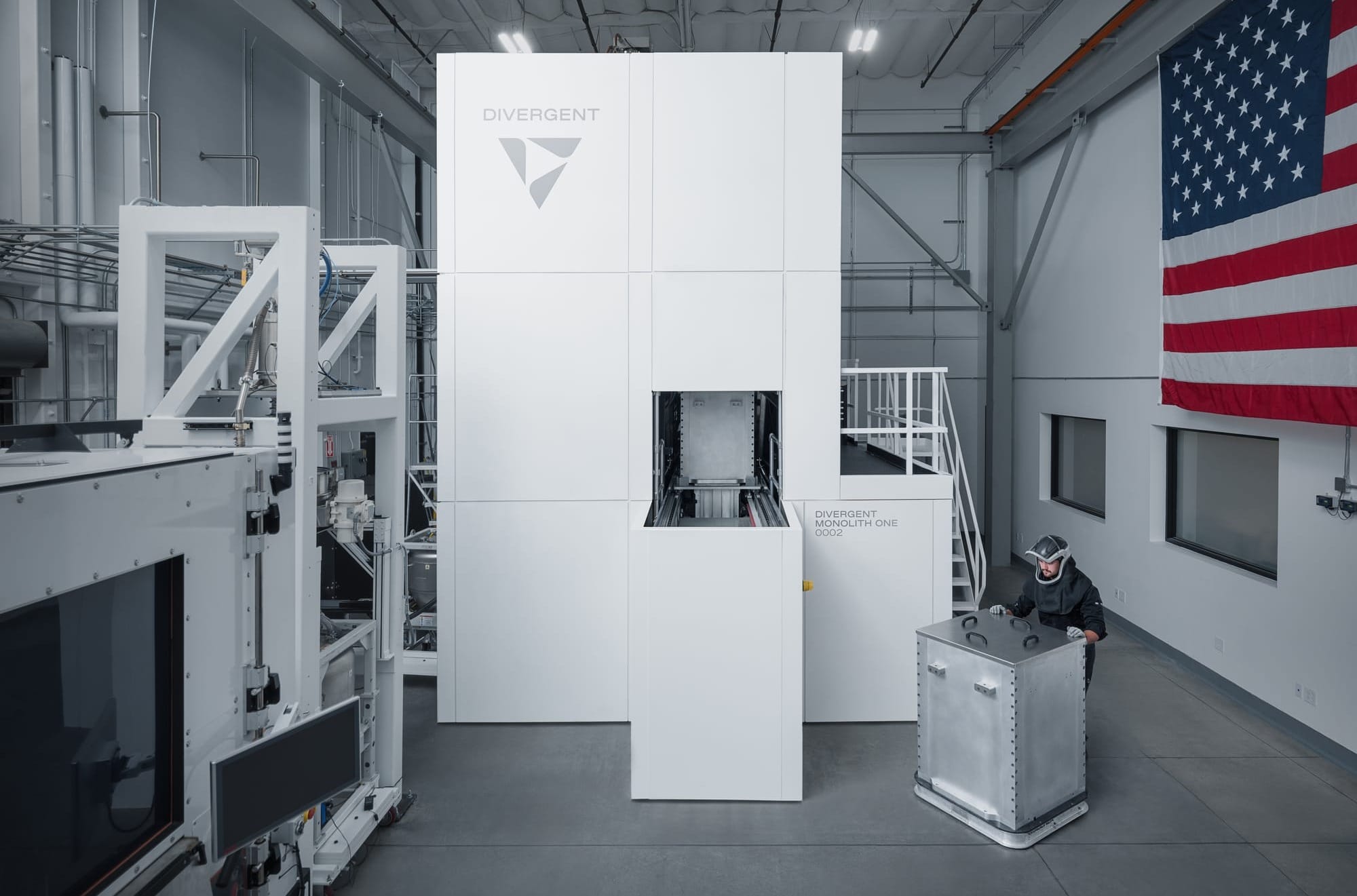
The Monolith One utilises advanced beam shaping laser technology for superior process stability and part quality, with the 12x 2kW lasers helping to deliver a strong deposition rate.
When comparing it to existing printers on the market, Divergent suggests the Monolith One has 'significantly increased throughput', while its 4-axis scanners with spot-size zoom capability help to enable precise energy placement and control. The machine is capable of printing aluminium, nickel, steel, and titanium alloys and is supported by an integrated powder recovery and recirculation system that works to maintain material quality.
A robust gas flow system up to 1700m3/hr enables high-energy processing and extended runtimes between optimal window cleanings, and an active thermal control capability (up to 200°C) serves to enhance reliability, dimensional stability, and repeatability. Exchangeable build modules and software automation allow for fast changeovers, reduced downtime, and increased machine utilisation, while a permanent filter system with advanced condensate management is said to reduce maintenance and improve operational efficiency and safety.
“Every feature of Monolith One was engineered to maximise reliability, scalability and control,” said Erhartic. “By starting from a clean sheet, our team has built an additive manufacturing solution that expands the overall performance envelope of DAPS, particularly to serve a wider customer landscape and drive efficiency into downstream operations. It's only because we custom-engineered the printer specifically for integration into DAPS that we were able to realise a significant increase in operational efficiency, quality control, and build volume.”
What to expect from Divergent's second facility
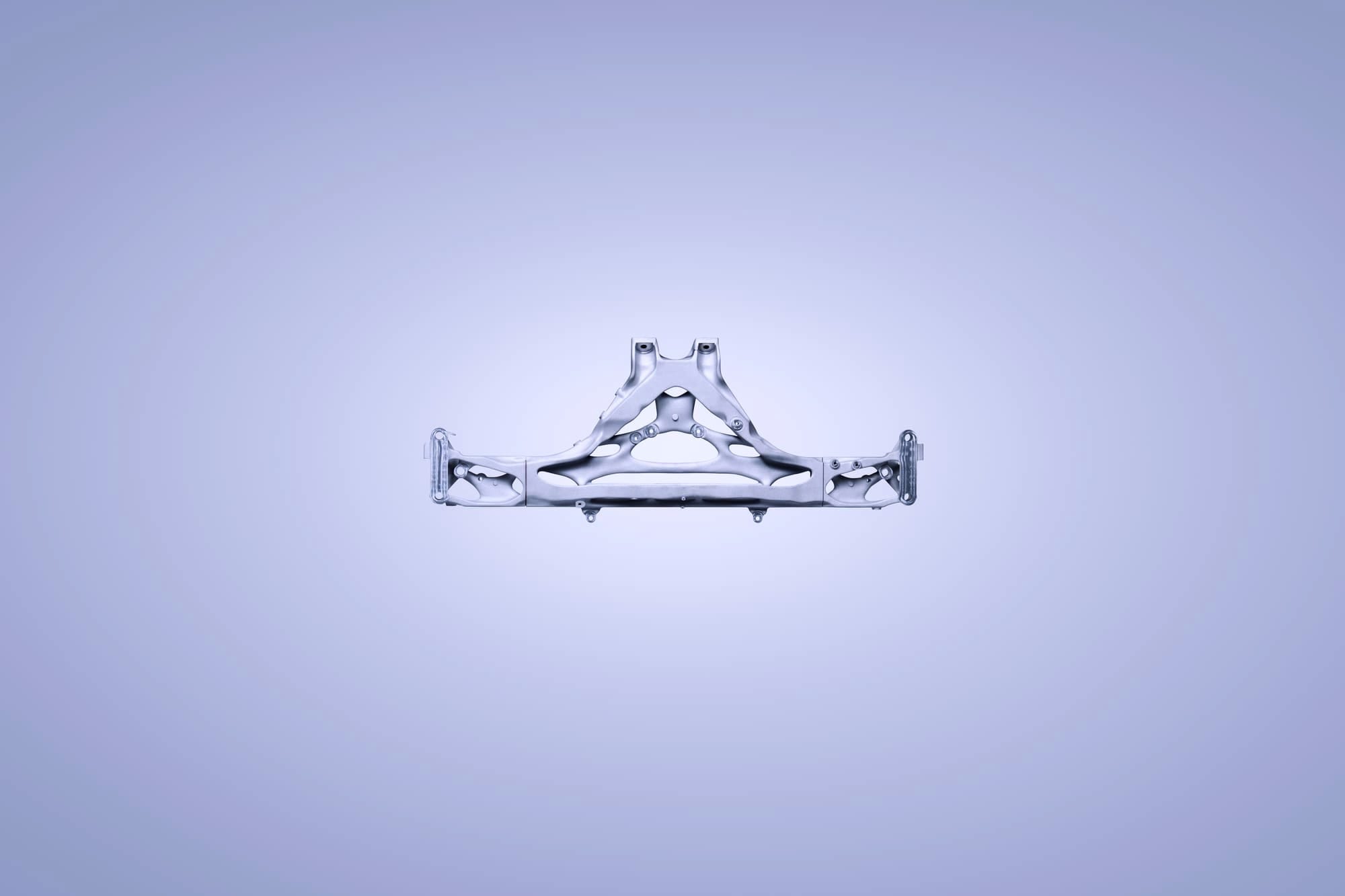
Divergent's second facility represents a significant increase in footprint and capacity.
When the Long Beach site is fully operational, Divergent's factory presence will span over 550,000 sq. ft, and it will operate 70 Monolith One systems, in addition to several other metal 3D printers provided by the likes of Nikon SLM Solutions.
The increased capacity will help Divergent to deliver hundreds of thousands of critical hardware components annually, including 275,000+ piece parts, 30,000+ missile airframes (500lb class), 60,000+ warhead casings (100lb class), 25,000+ automotive subframes, and 30,000+ automotive suspension systems.
Divergent hopes the Long Beach facility will help to build on the region's aerospace and defence innovation and manufacturing heritage. The company says the facility will, at full capacity, support approximately 1,000 direct jobs and create thousands of additional indirect jobs through construction, local suppliers, and supporting businesses.
The facility will include 30,000 square feet of office space and 400,000 square feet dedicated to advanced digital manufacturing and assembly.
What about its partnership with Nikon SLM Solutions?
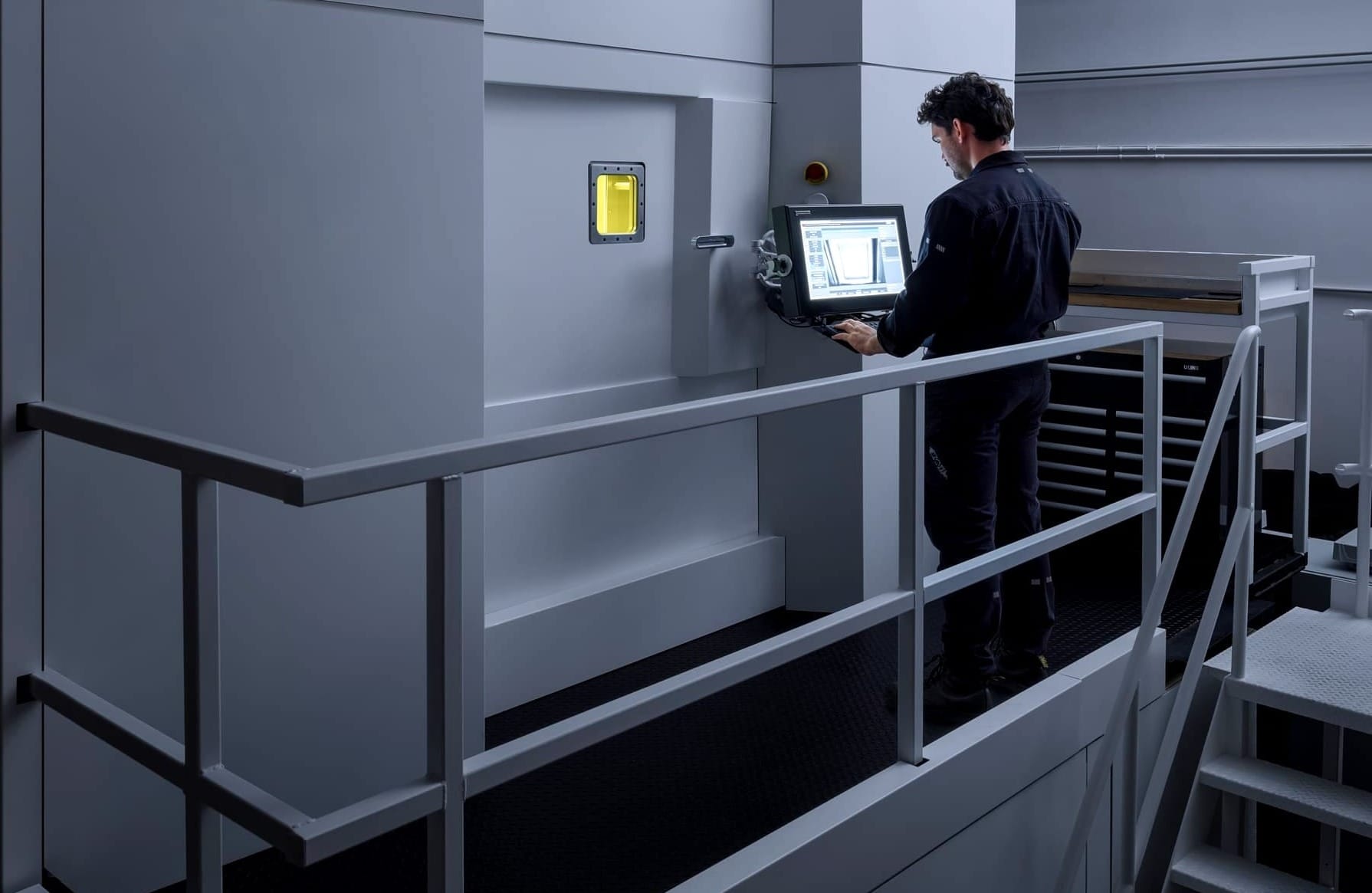
Divergent's relationship with Nikon SLM Solutions stretches back nearly ten years. In 2017, the two companies announced a strategic development partnership that would see them work closely on the development of specific hardware and software to support Divergent's production of vehicles.
Two years later, Divergent agreed to purchase five pre-production SLM Solutions metal additive manufacturing machines, and by 2021, Divergent had invested in six NXG XII 600 metal AM systems, making it the largest adopter of the 12-laser platform at the time. In 2022, Divergent signed an availability-based service level agreement covering these six machines, which were by now integrated into the DAPS framework.
When a Wall Street Journal article published last year referred to Divergent's 3D printing capability as 'proprietary', it got some wondering what was so proprietary about a metal AM workflow powered by Nikon SLM Solutions technology. Divergent founder Kevin Czinger was quick to provide the answer.
While Divergent supported the development of the NXG XII 600, operated the beta machines, and deployed several units within its production operations, it had also begun developing its own 12-laser machine without Nikon SLM's involvement.
"We are still operating our original NXG machines as well," Czinger confirmed on LinkedIn earlier this year, "but all new capacity being built and deployed are our own in-house machines, the Divergent Evolutionary Printer (DEP). These machines are designed as an integrated part of an end-to-end digital system — the Divergent Adaptive Production System (DAPS)."
Who is Divergent Technologies?
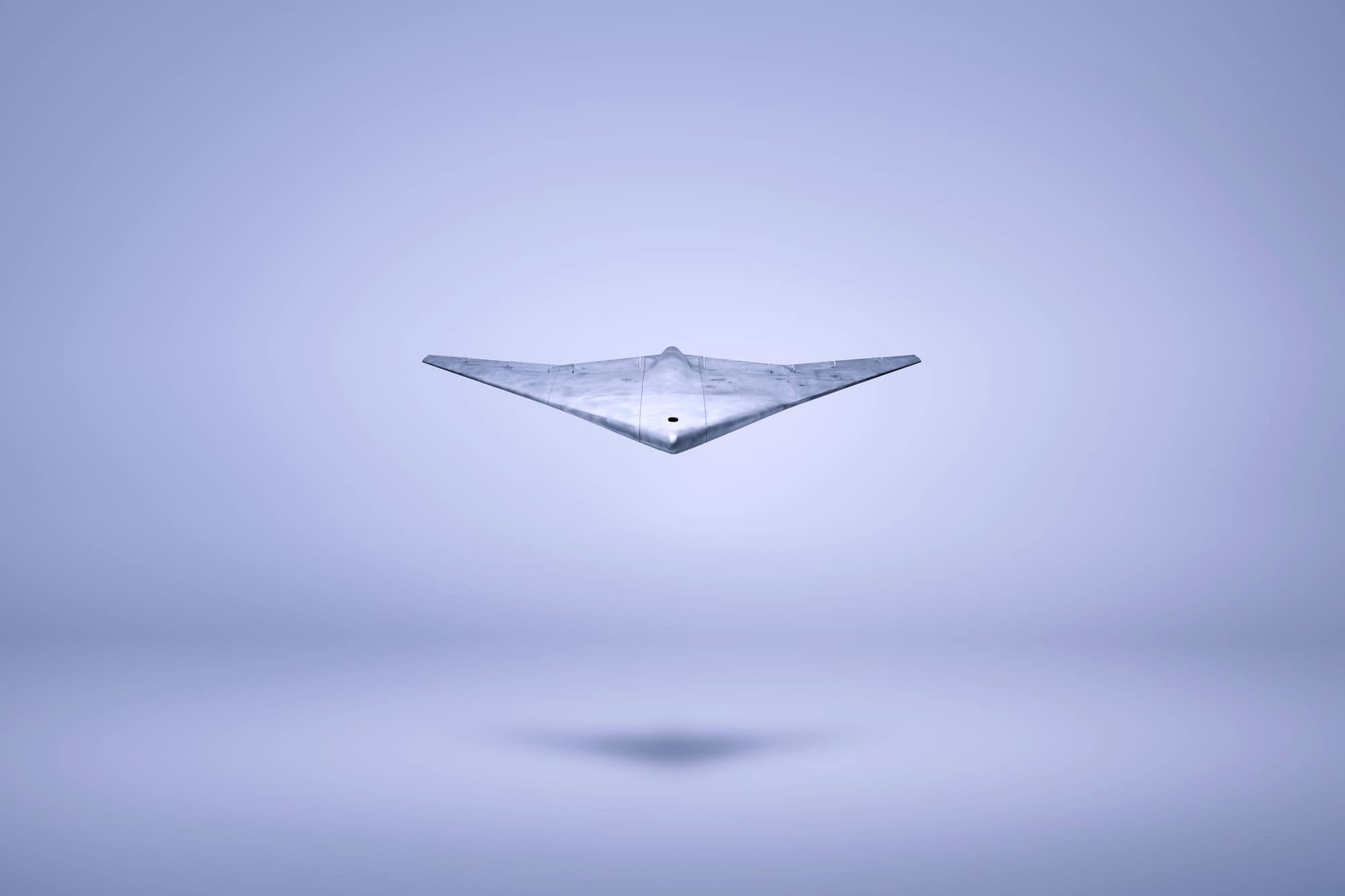
Divergent is a 12-year-old company that first gained traction through its design and manufacture of hypercars - an effort being continued through the Czinger Vehicles business - and later harnessed over $1 billion of venture capital money (including a $290m Series E round that raised its valuation above $2 billion) to establish itself as a supplier of critical hardware to customers across aerospace, defence, and automotive.
It counts Lockheed Martin, RTX, General Atomics, CoAspire, Saab, Triumph Group, Bugatti, and McLaren among its customer base, and earlier this year, hosted Secretary of War Pete Hegseth as part of his “Arsenal of Freedom” tour.
Central to its services is the DAPS platform, which utilises AI-driven design, additive manufacturing, and universal robotic assembly to manufacture complex, metal and multi-material structures for both commercial and defence customers globally.
With the integration of Monolith One into DAPS, Divergent expects to enhance control, quality, and efficiency, and deliver parts in days or weeks that might typically take months or even years to develop. The Monolith One has also been designed, engineered, and manufactured in America, helping to maintain a secure US supply chain.

Digitise and dematerialise: Divergent CEO Kevin Czinger on supplying automotive structures to the world's biggest brands
Divergent appoints new Chief Commercial Officer
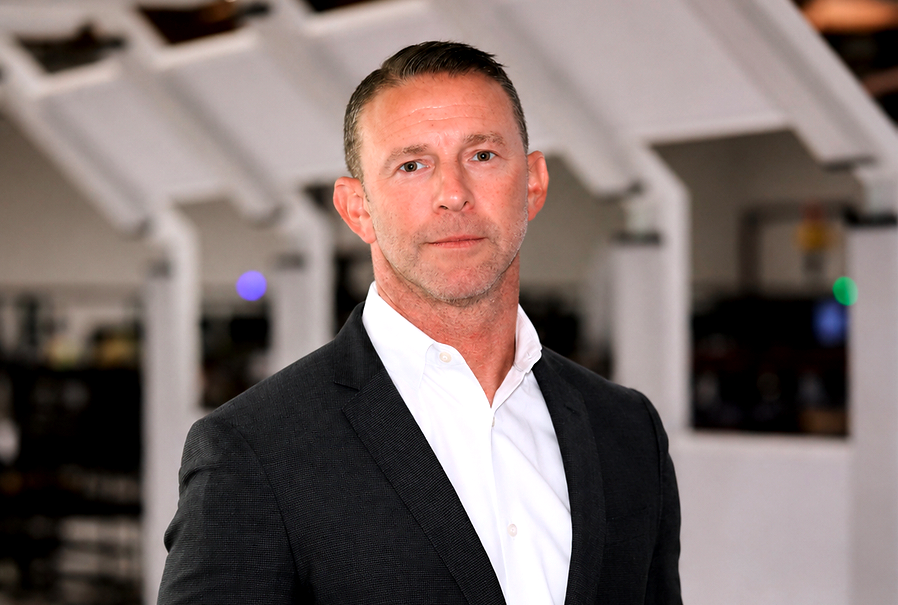
This week, Divergent Technologies also appointed Ben Nicholson as its Chief Commercial Officer (CCO).
Nicholson joins Divergent from Ursa Major, where, as Chief Business Officer, he is said to have helped the company through a period of growth. He has previously held roles at L3 Technologies, Honeywell, and CAE, as well as more than a decade on the U.S. House of Representatives Committee on Appropriations, where he served as a professional staff member and subcommittee staff director. Nicholson began his career as a commissioned officer in the United States Coast Guard serving nearly 10 years on active duty.
As CCO, Nicholson will be responsible for driving market expansion and strengthening relationships with customers, partners, and government stakeholders.
"Ben is a highly respected leader with deep expertise across defence, aerospace, government, and new technology," said Lukas Czinger, CEO and co-founder of Divergent. "He joins Divergent at the perfect time as we scale our manufacturing platform and deepen our engagement across critical defense and commercial programs."
"I am truly honoured to join the Divergent team. The company's manufacturing innovations combined with its unwavering commitment to advancing the capacity and security of the defence industrial base present a nearly unlimited value proposition to the economic security of the United States and our allies," said Nicholson. "Our national security starts on the factory floor with the American worker and I am proud to help lead Divergent's contribution to such a worthy endeavour."
Nicholson is a board member and guest lecturer for the Government Affairs Institute at Georgetown University and he holds a MS in Naval Architecture and Marine Engineering from the University of Michigan, a MS in Resource Policy from the University of Michigan, and BS with High Honors in Naval Architecture and Marine Engineering from the United States Coast Guard Academy.


