

Readers, I did it. I engineered a plausible excuse to feature Leon S. Kennedy inside TCT Magazine. Sure, I’ve interviewed CEOs, rocket scientists and fashion designers over the years, but could this be my greatest achievement? Quite possibly.
There I was, one cold January evening, watching Capcom's Showcase stream when, in the middle of a presentation about its latest Resident Evil video game, my ears, fine-tuned like a bat to any mention of 3D printing, pricked up:
“It took a lot of expertise from different departments at Porsche and complex 3D printing to apply those customisations to the car.”
This was my chance.
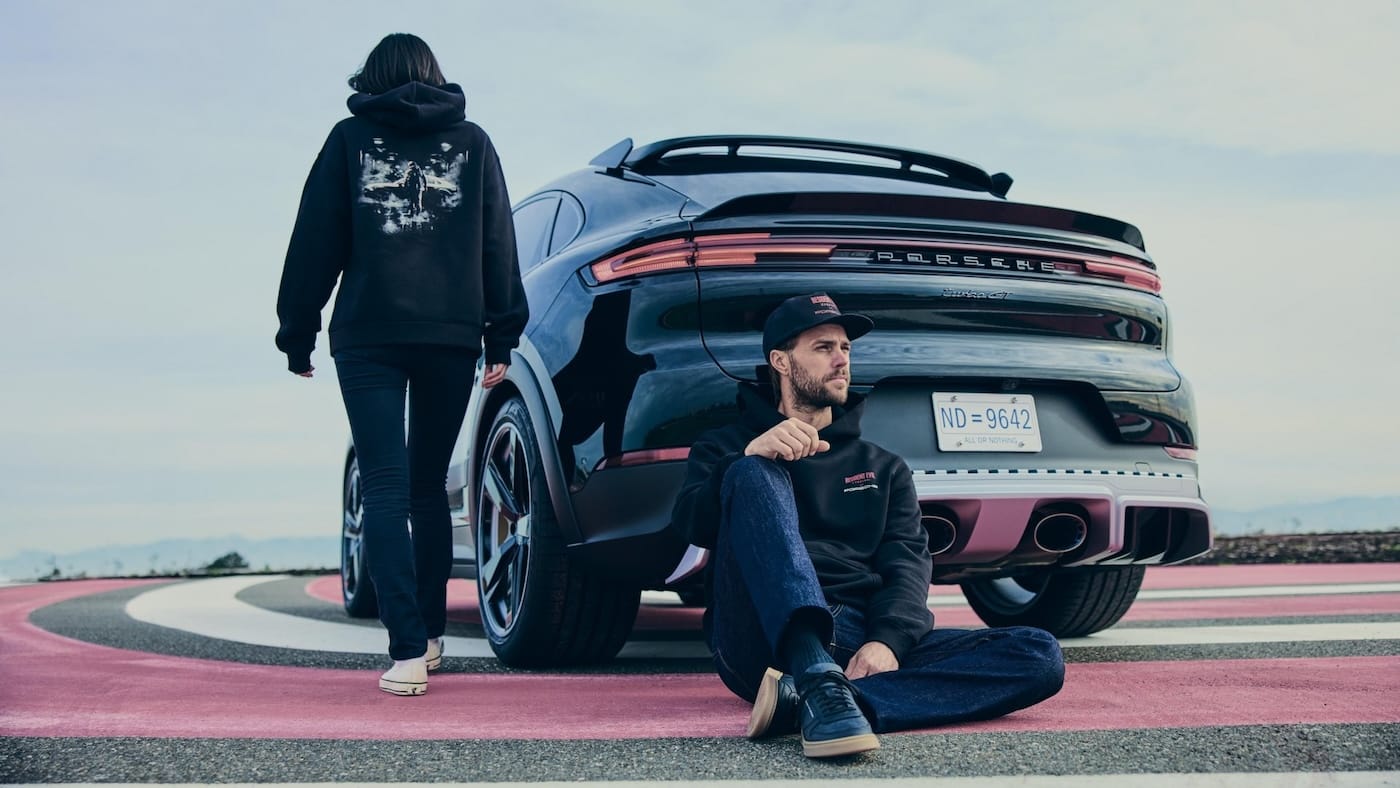
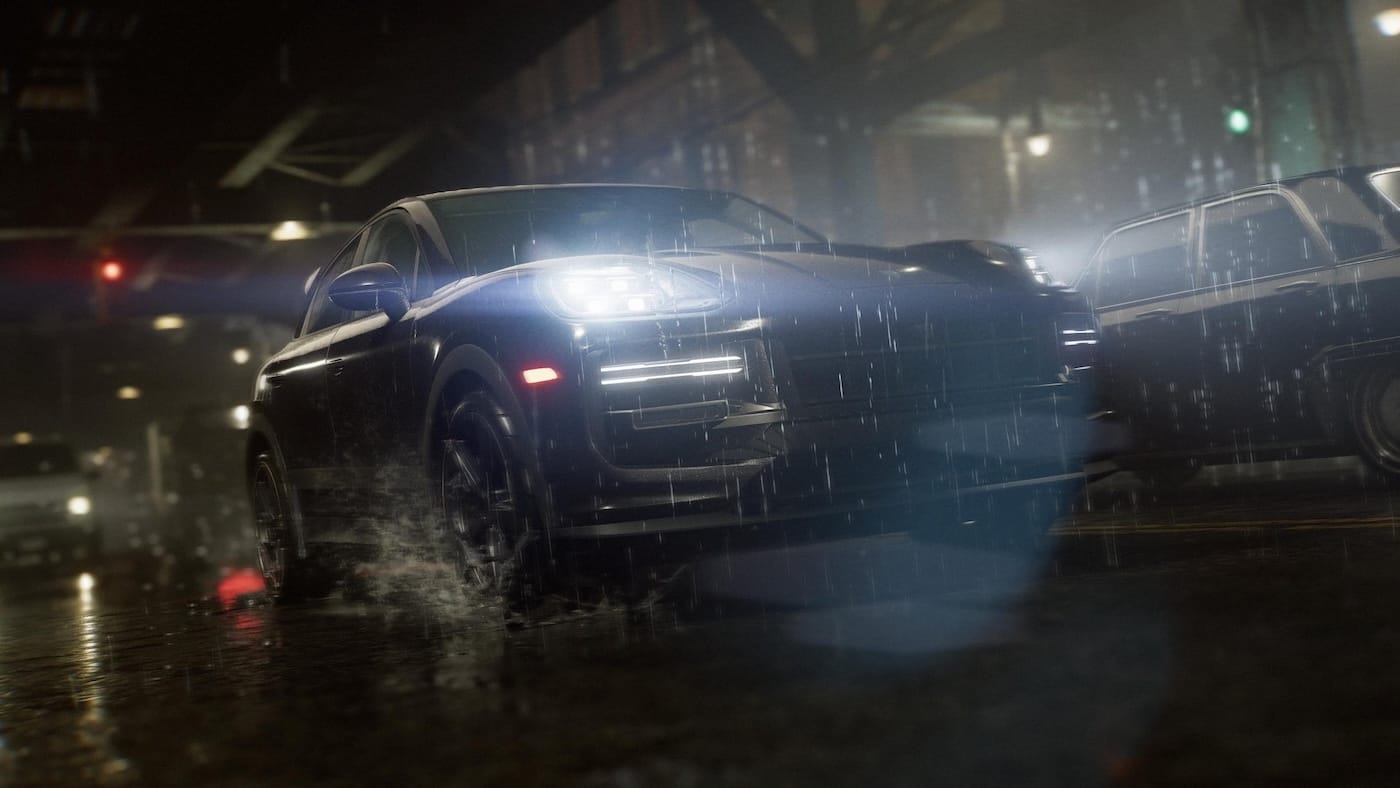
The car that Niklas Krellenberg, who looks after gaming partnerships at Porsche, was referring to was the Cayenne Turbo GT - specifically, a modified version that has been designed in partnership with Capcom as Leon's vehicle of choice in Resident Evil Requiem.
Of course, style is important - after all, this fictional 51-year-old man is roundhouse kicking with a perfectly floppy haircut most mere mortals could only dream of - but this particular vehicle also needs to transport Leon and his neatly packed attaché case from one zombie-infested location to another. So, it required a few custom add-ons.
But the car isn't just intended for the virtual roads of Racoon City. To take it a step further, Porsche has also developed a one-of-a-kind show car, applying its in-game design to a real-world vehicle. That’s where 3D printing came in.
I put some questions to the team at Porsche to find out how the technology was used to bring Leon's ride to life.

TCT: When this partnership first came about, what was on the drawing board? What was the mission?
Our partner Capcom set out to create a special edition of the Cayenne Turbo GT inspired by the game’s hero, Leon Kennedy. The in‑game concept featured modified body elements, bespoke wheels and distinctive materials such as carbon and brushed steel. From the very beginning, the mission was clear: to translate this digital design into a real vehicle and make it as close as technically possible to the in‑game version.
TCT: 3D printing was used to apply customisations to the car. Can you share what those customisations were?
The customisations focused on the front and rear sections of the vehicle as well as the side sills. During the design phase, our prototype construction department in Weissach supported the project by translating the game developer’s digital designs into precise physical components. Depending on size and geometry, some elements were printed as a single piece, while others had to be divided into multiple parts due to the limited build volume of the 3D printer.
TCT: Did you always have in mind that you would eventually need to be able to physically manufacture these parts? Was that a consideration in the design process?
From the outset, the clear objective was to create a show car that would serve as a one‑to‑one replica of the in‑game vehicle. Between the initial drafts from the gaming studio and the finished show car, several design iterations were required. These were driven by feasibility assessments involving experts from various Porsche departments, helping to determine what could realistically be produced. Refining the digital model into a fully buildable version took several weeks, but achieving an exact replica always remained our top priority.
TCT: Why was 3D printing chosen for these particular parts? Was it a speed advantage? Low volumes? Design freedom?
3D printing was selected primarily for its speed, cost efficiency and flexibility. While the prototype construction team in Weissach could technically have produced all components using conventional manufacturing methods, this would have resulted in significantly higher costs. In addition, the project timeline was extremely tight, and the components were one‑off, low‑volume parts - an ideal use case for additive manufacturing. The approach is comparable to concept work in vehicle design and aerodynamic model development.
TCT: Which 3D printing processes were used and why?
The team used the Fused Deposition Modeling (FDM) process. It was chosen because it offers the largest build volume available at Porsche, allowing larger components to be produced in a single piece wherever possible.
TCT: Was material choice a factor?
Yes, material selection played an important role. While the printer is limited to FDM‑compatible materials, these proved well suited to the project in terms of weight and cost. With appropriate post‑processing, the printed parts could be painted to meet the required visual standards. Although Porsche has access to other additive manufacturing technologies such as SLS and Multi Jet Fusion, the size of the components made FDM the most suitable option.
TCT: How did design for additive manufacturing (DfAM) influence the geometries?
To optimise the printing process, components were oriented vertically wherever possible to minimise the need for support structures. In one case, the front section had to be divided into two parts because the build volume would otherwise have been exceeded. After painting and finishing, however, the separation was no longer visible.
TCT: The car looks incredibly cool but still very much real. How did you navigate balancing authenticity with video game fantasy?
Creative leadership remained largely with the game developer, who built the design around the production Cayenne Turbo GT. At the same time, it was important to them that the vehicle could realistically exist in the real world. They were therefore willing to adapt the design where necessary to meet technical constraints. High‑quality post‑processing ensured clean surfaces and an authentic, convincing appearance.
TCT: I understand that the design relied on different departments at Porsche. Can you give us a sense of how the collaboration works?
The partnership was coordinated by Porsche’s Branded Entertainment team, which manages all gaming collaborations. For show‑car projects, the team first defines the required scope of modifications and then involves relevant internal departments and external partners to assess feasibility and costs. The final implementation brings together a dedicated project team that combines Porsche’s technical expertise with the creative perspective of the gaming industry.
 Laura Griffiths
TCT: Outside of special custom projects like this, how does Porsche typically use 3D printing?
Beyond special projects, Porsche uses 3D printing across the entire product range -for prototyping, tools and fixtures, classic and spare parts, and selected series applications. The technology has been established for decades in design, aerodynamics, concept vehicles, motorsport and development cars, where it helps reduce development time and costs. It is also used for low‑volume racing components.
TCT: From a 3D printing perspective, were there any learnings from this project that could be applied to future vehicle concepts?
One key learning was the importance of sufficient lead time. Print jobs often take several days and always carry a risk of failure, making careful scheduling essential - especially when machines are shared across projects. Technically, the printing process itself was relatively straightforward. The main challenge lay in managing data across different systems and software tools, as the gaming and automotive industries operate with different standards.


