

We are now just weeks away from Formnext - one of additive manufacturing's biggest events, and often the location for some major product launches and debuts.
This year looks to be no different, with Nikon SLM Solutions and Stratasys already teasing new AM systems, and more than a few new application stories being announced.
Below, we have gathered a selection of the most notable developments ahead of the event.
This article will be updated regularly in the run-up to Formnext 2026.
Nikon SLM Solutions | MACHX series set to be launched | Hall 12.0, D119
Nikon SLM Solutions looks set to make the biggest splash at this year’s Formnext with the impending launch of its MACHX metal additive manufacturing system.
Though many details remain under wraps, Nikon SLM Solutions has confirmed that it is targeting mid-range-sized applications – where it believes the real volume is – and has engineered the machines to be more easily scalable.
TCT understands there will be multiple machines introduced via the MACHX series, and they will add to rather than replace the existing SLM 280, SLM 500, and NXG series of machines.
Product launch details: Tuesday November 17 | 10:00 | Hall 12.0, Booth D119
Stratasys | F870 demos and new machine launches | Hall 12.1, D129
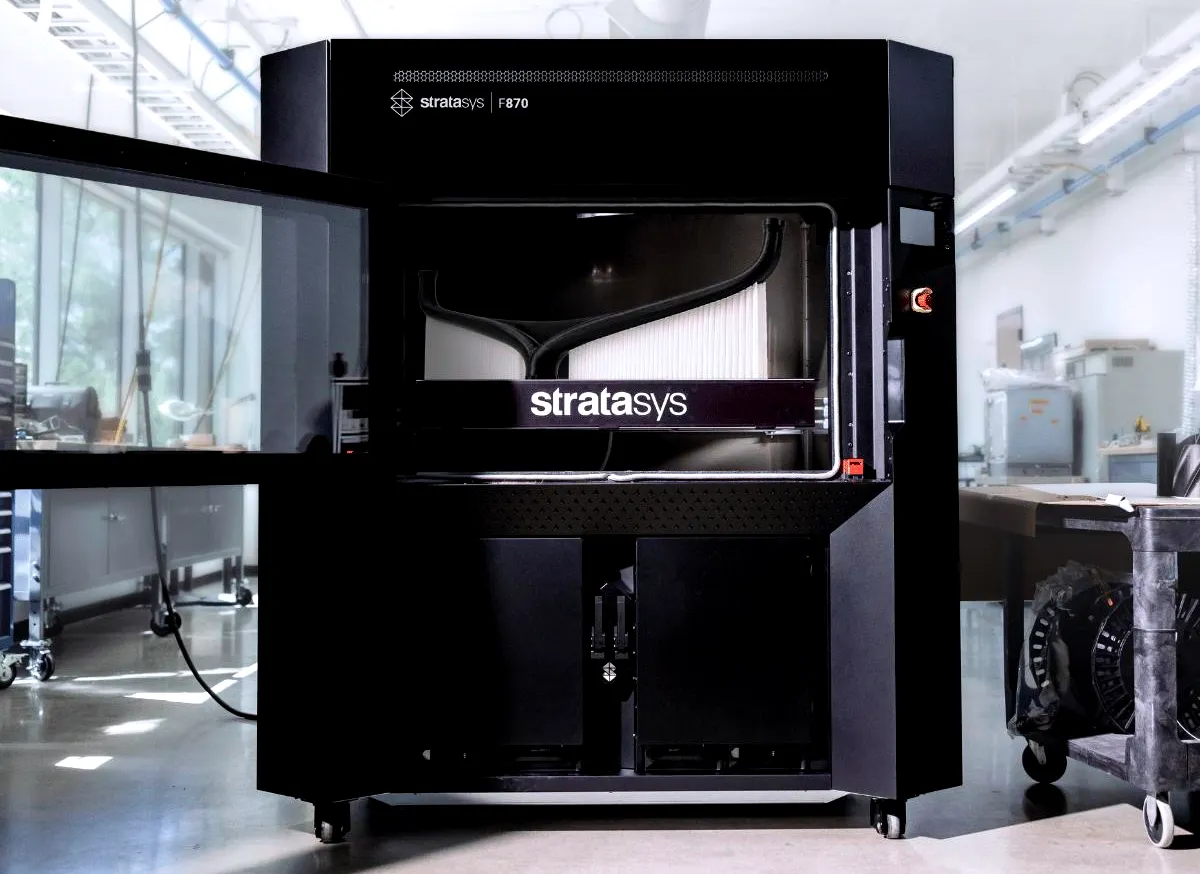
Stratasys is expected to make a new machine launch on the afternoon of Day 1 at Formnext.
The company will also be running demonstrations of its F870 large-format printer for the first time in Europe following its unveiling in September. This machine is equipped with a fully heated 1000 x 610 x 610 mm build chamber, is said to have a low cost of ownership compared to systems of its kind, and is supported by a suite of 'strong and durable' materials that includes Nylon 12CF, ASA, ABS and the new FDM ABS Draft (Gray).
Stratasys' stand will also feature demonstrations of automation and robotic applications, production tooling and digital workflows, including how the GrabCAD Additive App Suite supports application development, build preparation and production.
Product launch details: Tuesday November 17 | 13:00 | Hall 12.1, Booth D129
Bambu Lab | New machine & new income programme for users to be introduced | Hall 12.1, G01
Bambu Lab is set to launch the Bambu Circle programme for people who want to earn a side income with 3D printing. The authorised network of entrepreneurs will see members trained and certified by Bambu Lab, before becoming a certified partner.
Bambu Circle's scope is said to include local machine servicing, small-scale retail of printers and materials, 3D printing services, and training and educational programmes. The programme starts with a pilot in the Netherlands, where 58% of Bambu Lab users in a recent survey said they want to earn a side income through 3D printing. Germany and France will follow in early 2027. A waiting list for the first cohort of partners opens at Formnext, and applicants from any European country can join.
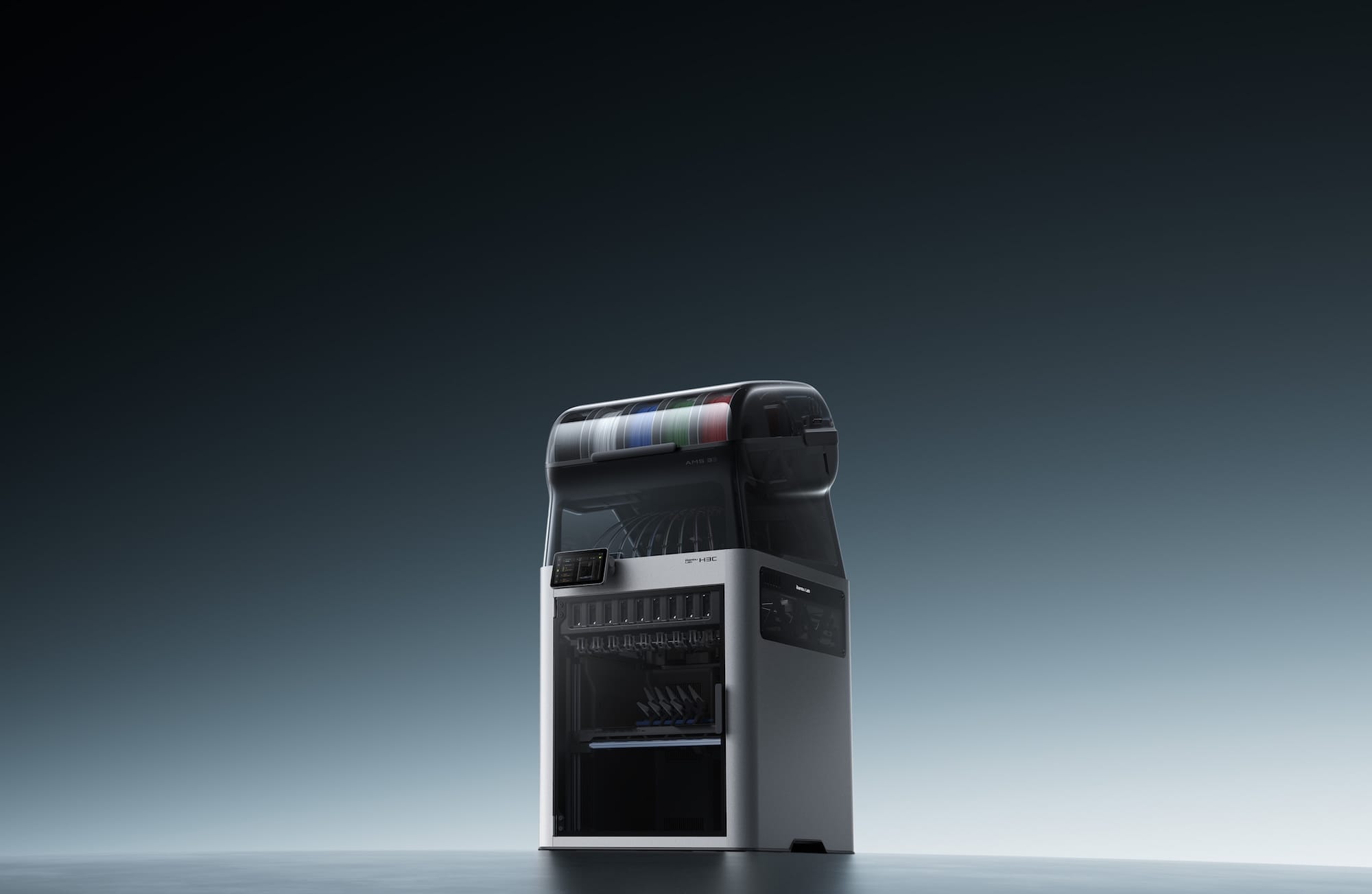
The desktop 3D printing company will also showcase its recently launched H3C machine. H3C is built around the Swaptek tool changer, which boasts nine tools and material switching in under six seconds.
Added | Materials deposition platform with unique Blade architecture to debut | Hall 12.0, F139 & Hall 11.0, E58
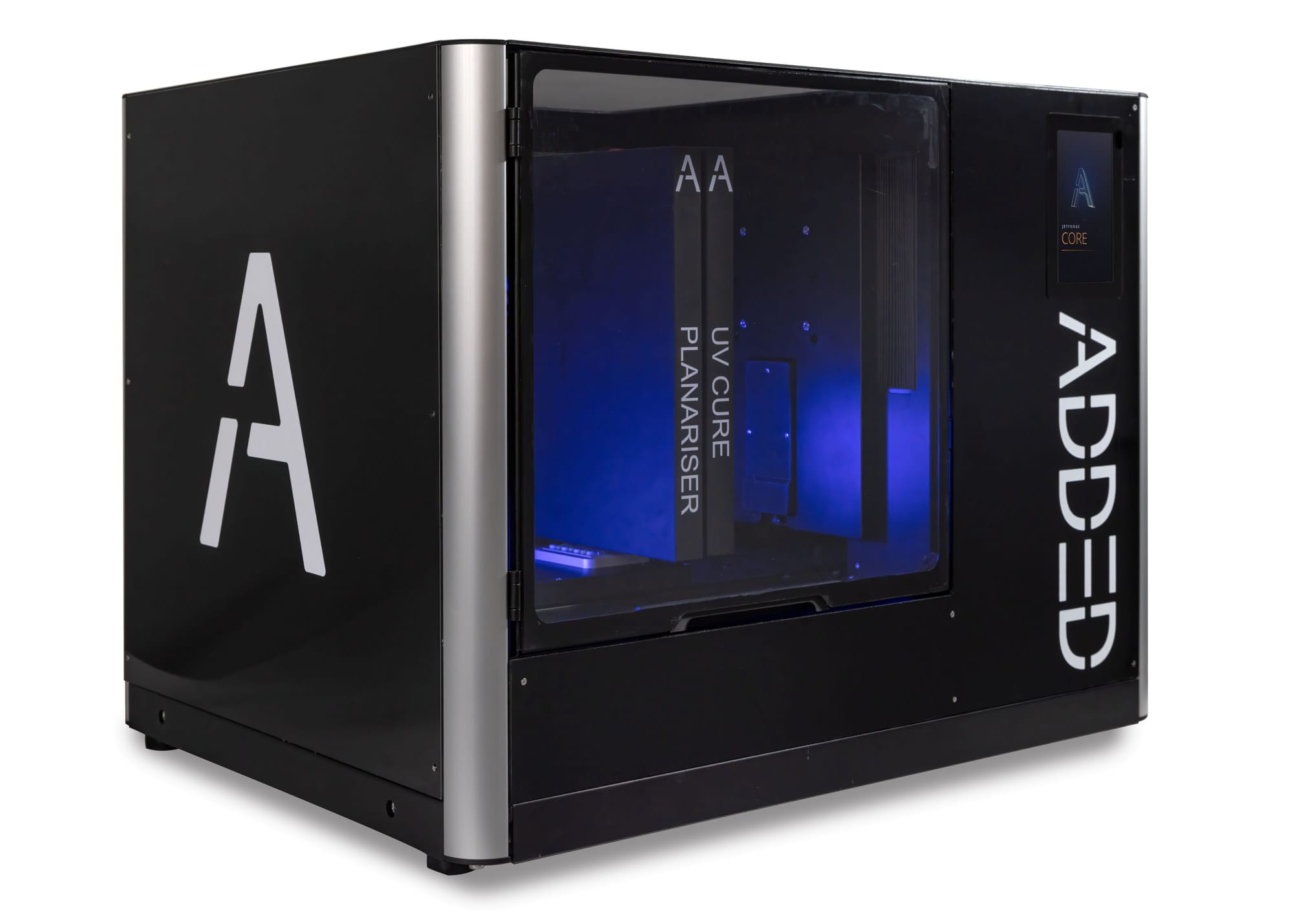
Added, formerly Added Scientific, is introducing a new open and modular materials-deposition platform with two variants.
Equipped with a 'unique Blade architecture', the JetForge Core enables up to six materials in one build or four printheads with planarisation and curing modules for 3D builds, while the entry-level JetForge Go is suitable for early-stage jetting, formulation work, and printhead evaluation.
"We use the platform daily, and by making it available to others, we hope to support the development of more materials for inkjet and related deposition approaches and help researchers and manufacturers bring new applications to market faster," said Christopher Tuck, Co-Founder and Director at Added.
The Core solution will be presented by Added at Hall 12.0, Stand F139, and the Go will be presented by Ricoh at Hall 11.0, Stand E58.
Admatec Additive Solutions | First outing for new desktop ceramic 3D printer | Hall 12.1, D129
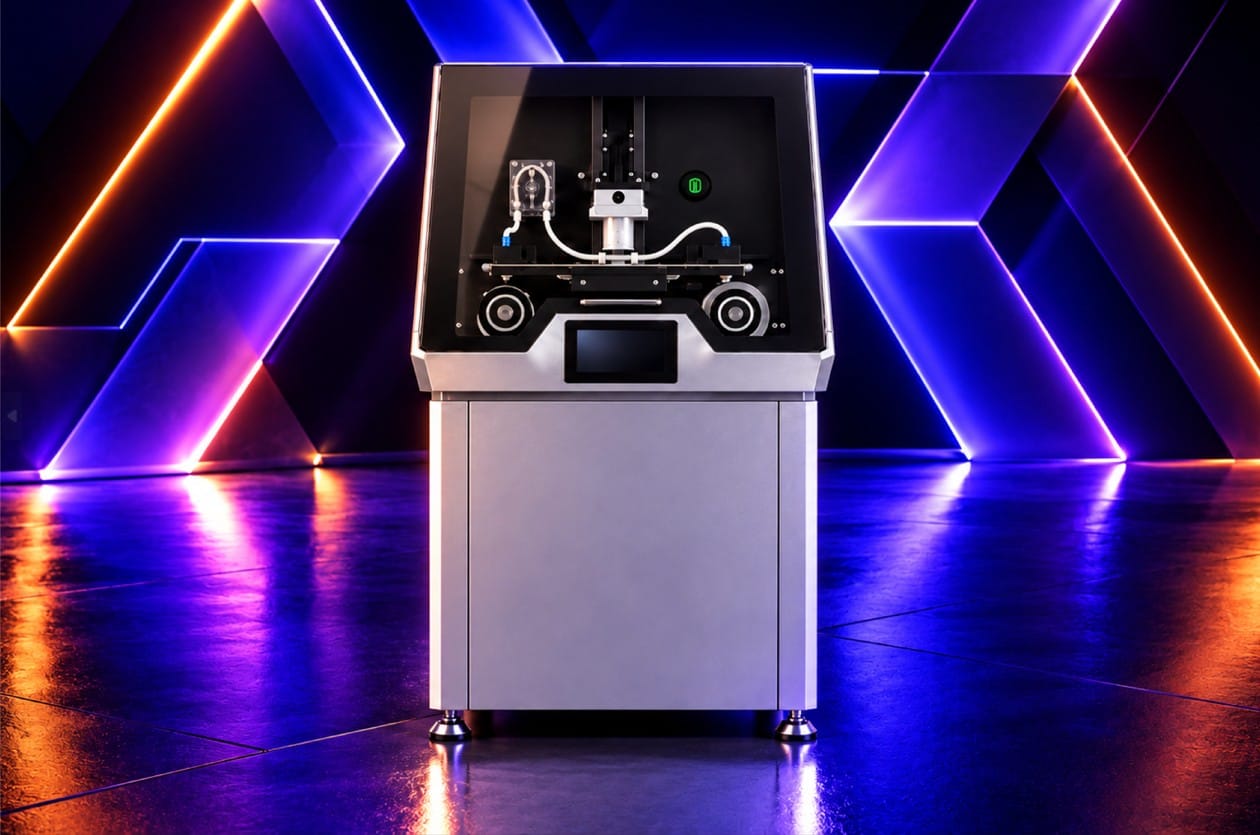
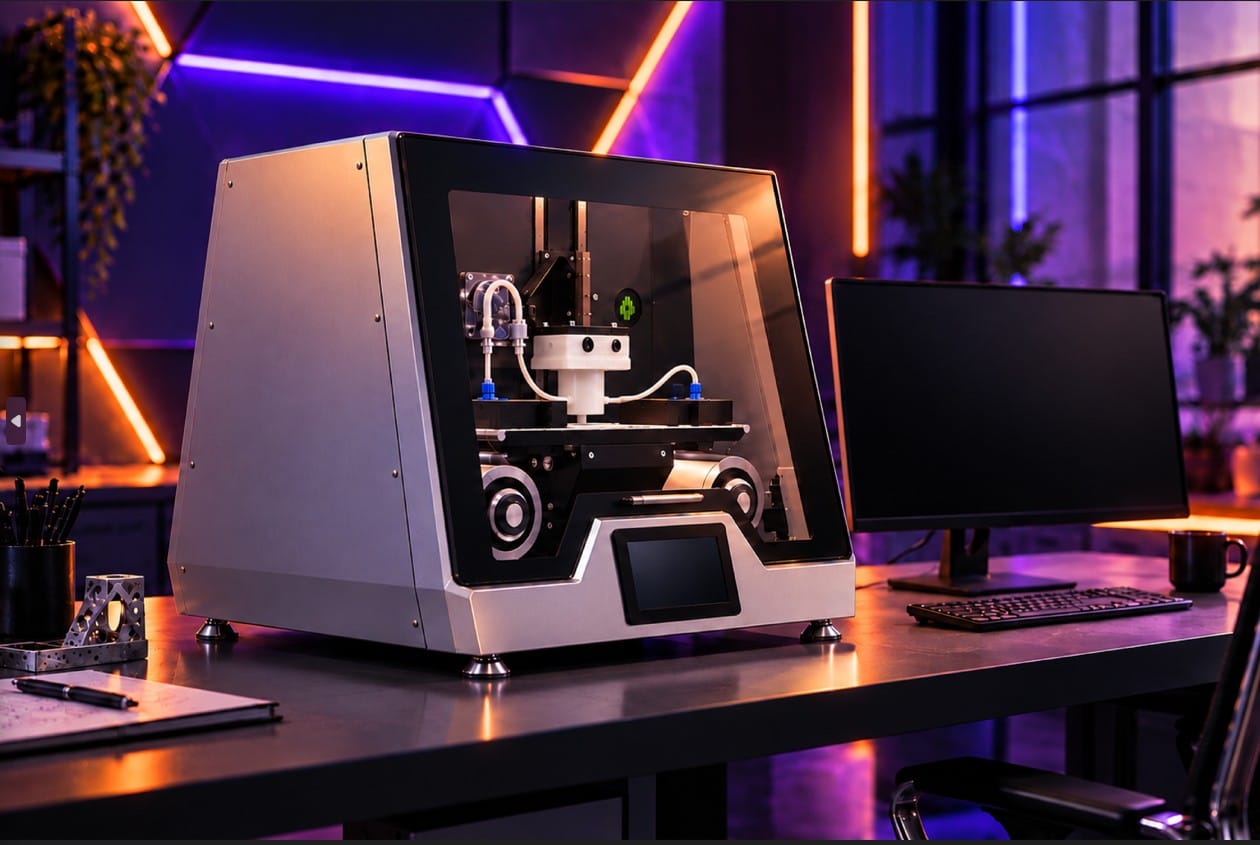
Admatec Additive Solutions will premiere its new desktop ceramic 3D printer at this year’s Formnext.
Admaflex Discovery is the company’s first desktop system and is designed to be ‘upgradable from the start.’ Customers can start with a smaller and more affordable form factor, before expanding the same system to a larger and more powerful configuration.
The company is targeting the new machine at first-time users of technical ceramic 3D printing, including universities, applied research institutes, national laboratories, and industry adopters. It is priced at $92,500, with orders being taken from November 2026, and shipments expected to commence in the spring of 2027.
Raise3D | FDM portfolio (and build volume!) expansions | Hall 12.1, D21
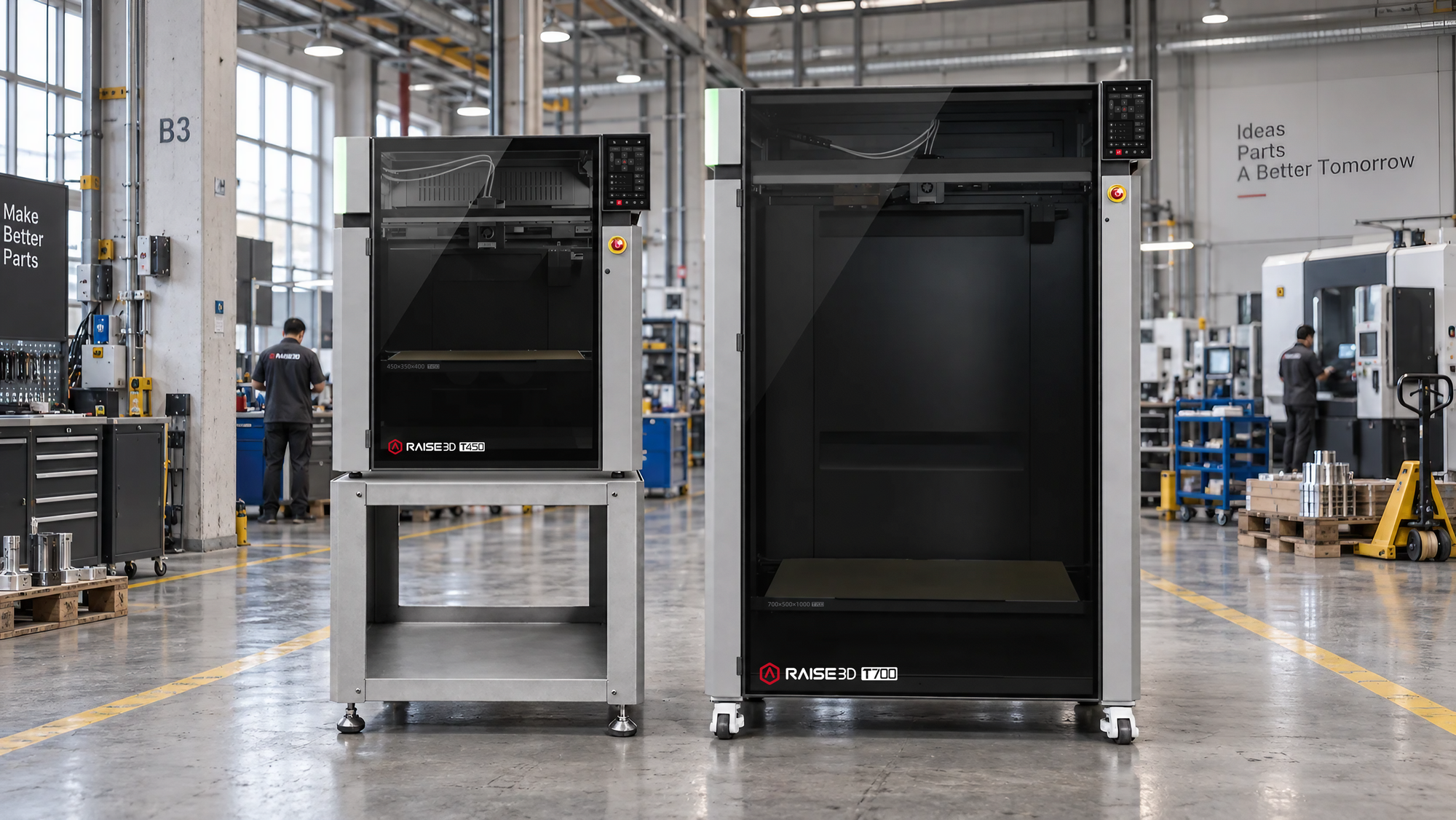
Raise3D will debut two new FDM 3D printing systems, the T450 and T700, at Formnext.
The T450 and T700 machines share the same tech platform, are both equipped with an actively heated build chamber and feature build volumes of 450 × 350 × 400 mm and 700 × 500 × 1,000 mm, respectively.
Both systems are supported by a 4MD CoreXY system with four frame-mounted motors, designed to reduce vibration, surface ringing and the risk of layer shifts, and the TwinFlow high-flow extrusion technology, which feeds two filament paths into one nozzle, reaching up to 600 mm/s and 80 mm³/s, and switches to two materials for soluble supports or dual-colour parts. Air Flow Manager 2 adjusts the chamber by material, holding up to 70°C on the T450 and 60°C on the T700 for large ABS and nylon parts, and switching to directed cooling with an automatic top vent for lower-temperature materials such as PLA.
BMF | microArch S150 makes its European debut | Hall 11.0, C42
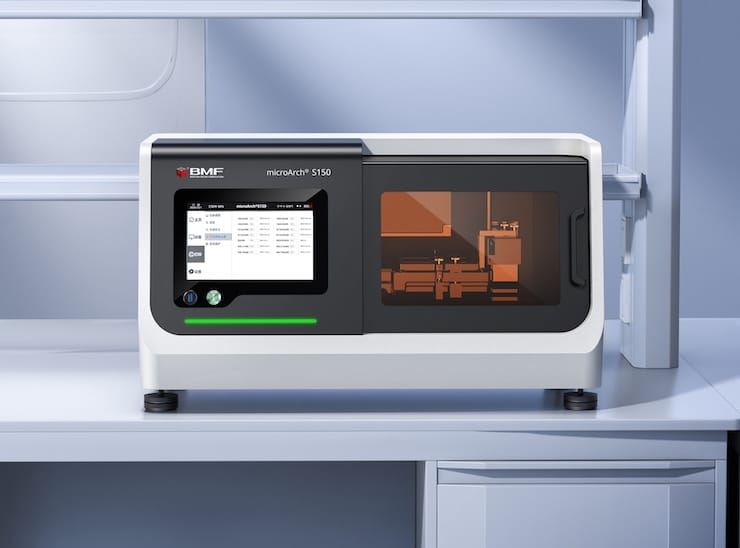
Boston Micro Fabrication (BMF) will showcase its recently launched industrial-grade microArch S150 3D printer for the first time in Europe this November.
The microArch S150 3D printer is said to deliver true 25µm optical resolution and layer thicknesses from 10–100µm and is already commercially available.
BMF will be running the machine live on its stand and will present a number of applications, including microfluidics, fibre optics, biomedical devices, electronics, and advanced materials research.
Bryan Ferrand, President of Boston Micro Fabrication, said: “We’re looking forward to returning to Frankfurt and giving Formnext visitors the opportunity to see the S150 in action and explore what it could deliver for their own micro-precision 3D printing requirements. Although we only introduced the system a few months ago, we have been very pleased with the S150’s reception, particularly among labs and development and production teams looking for easier access to industrial-grade micro-precision manufacturing.”
Meltio | High-performance exhaust manifold for Fiat Abarth 500 race car to be showcased | Hall 12.0, C119
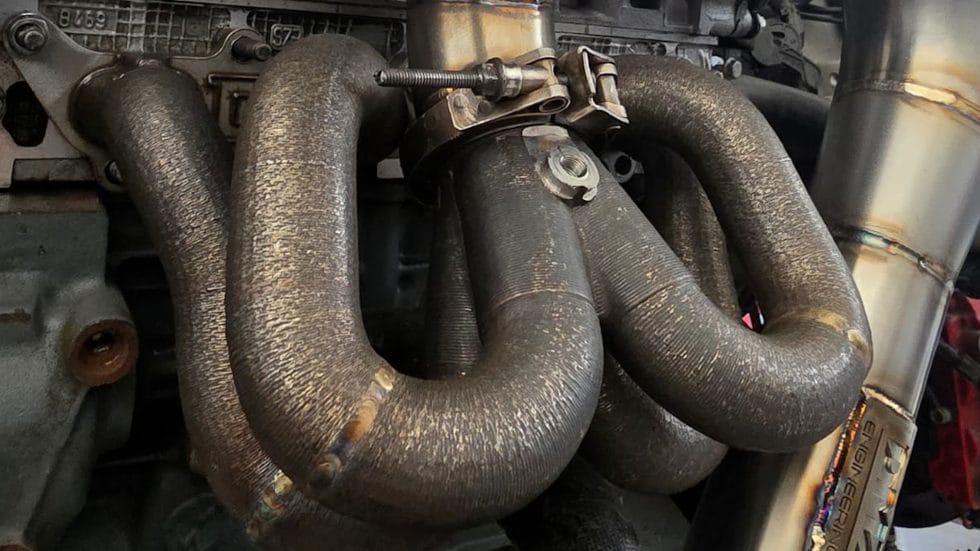
The centrepiece of Meltio's Formnext stand this year will be a full-scale Fiat Abarth 500 race car.
On that vehicle is a high-performance exhaust manifold manufactured with Meltio's DED metal additive manufacturing technology by DMZ.
With metal AM, DMZ has been able to create 'extremely complex' geometries to optimise exhaust flow and reduce assembly time from eight hours to just one.
The part has also withstood more than 10,000km on the road and is still in its original condition, according to Meltio.
GEFERTEC | WAAM-enabled large-scale metal parts | Hall 12.1, B101
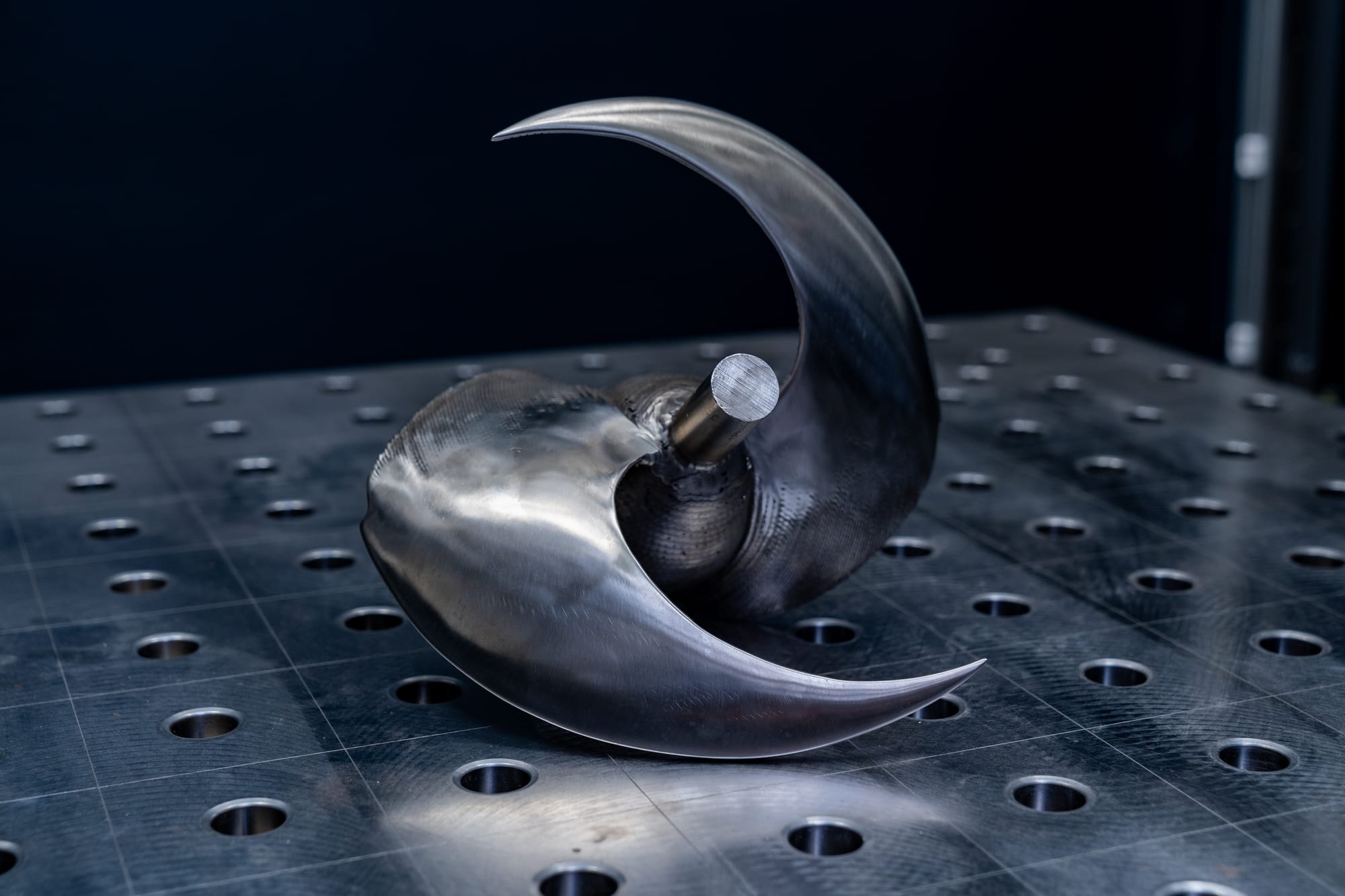
GEFERTEC will feature on the Berlin-Brandenburg joint booth this year and is shining a spotlight on large-scale metal components produced using Wire Arc Additive Manufacturing (WAAM).
These parts, such as a 700kg compressor impeller, a titanium emergency exit frame for aircraft, a tooling mould, and a fish-friendly seawater pump impeller.
In this latter application, which is to be shared publicly for the first time, the impeller features elongated, wing-like blades - a geometry impossible to produce using conventional casting methods - to allow ingested fish to pass through safely.
GEFERTEC says these applications demonstrate the capability of GEFERTEC’s manufacturing systems, including the newly launched arc10X and arcTitan platforms.
“With these two new machine systems, we have expanded our portfolio to meet specific industrial requirements,” said Sebastian Recke, Senior Key Account Manager at GEFERTEC GmbH. “At Formnext, our primary goal is to show visitors what can actually be built using this technology, from massive structural parts to complex geometries and titanium components.”
AltForm | New modular DED series | Hall 12.0, E139
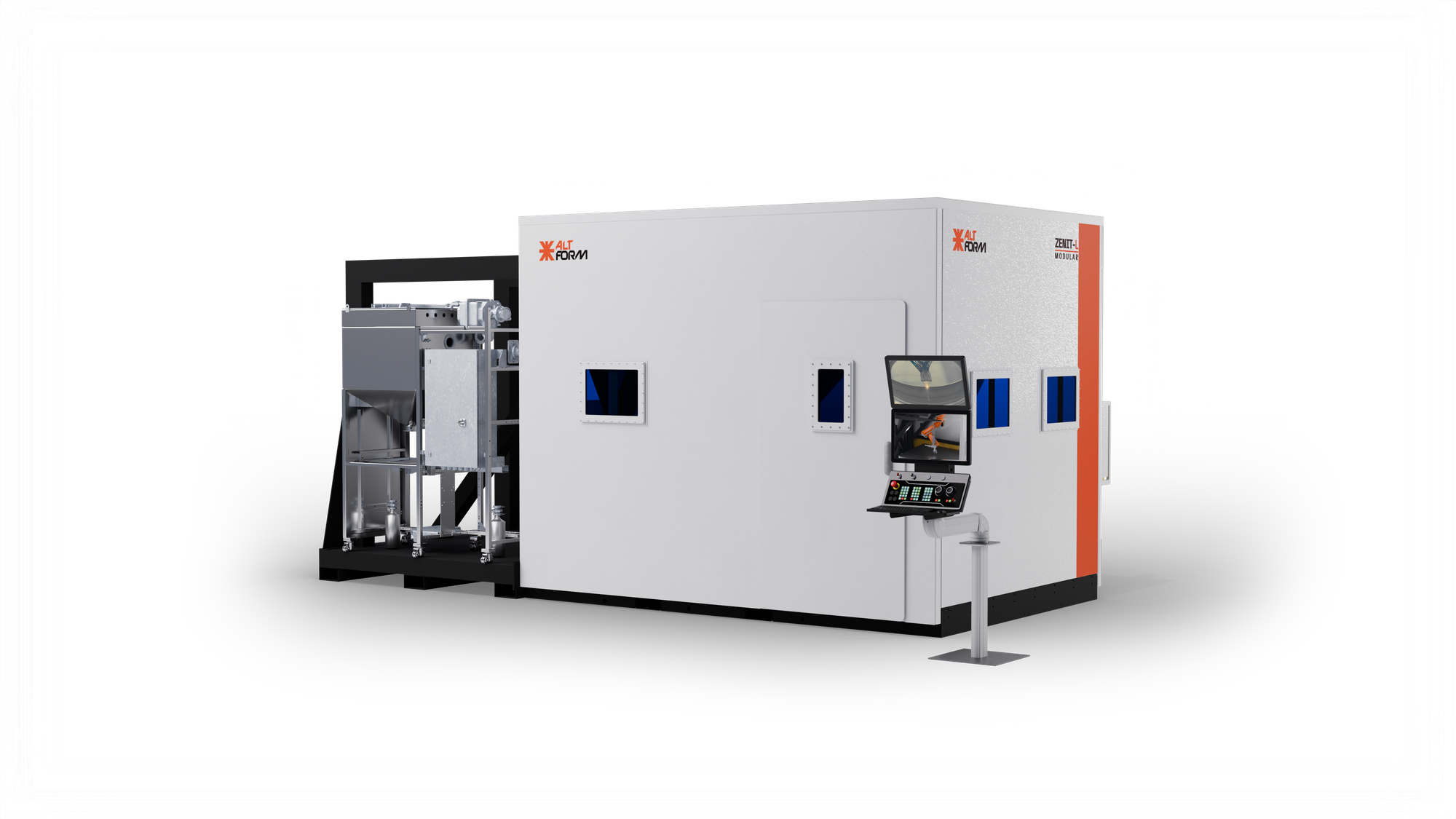
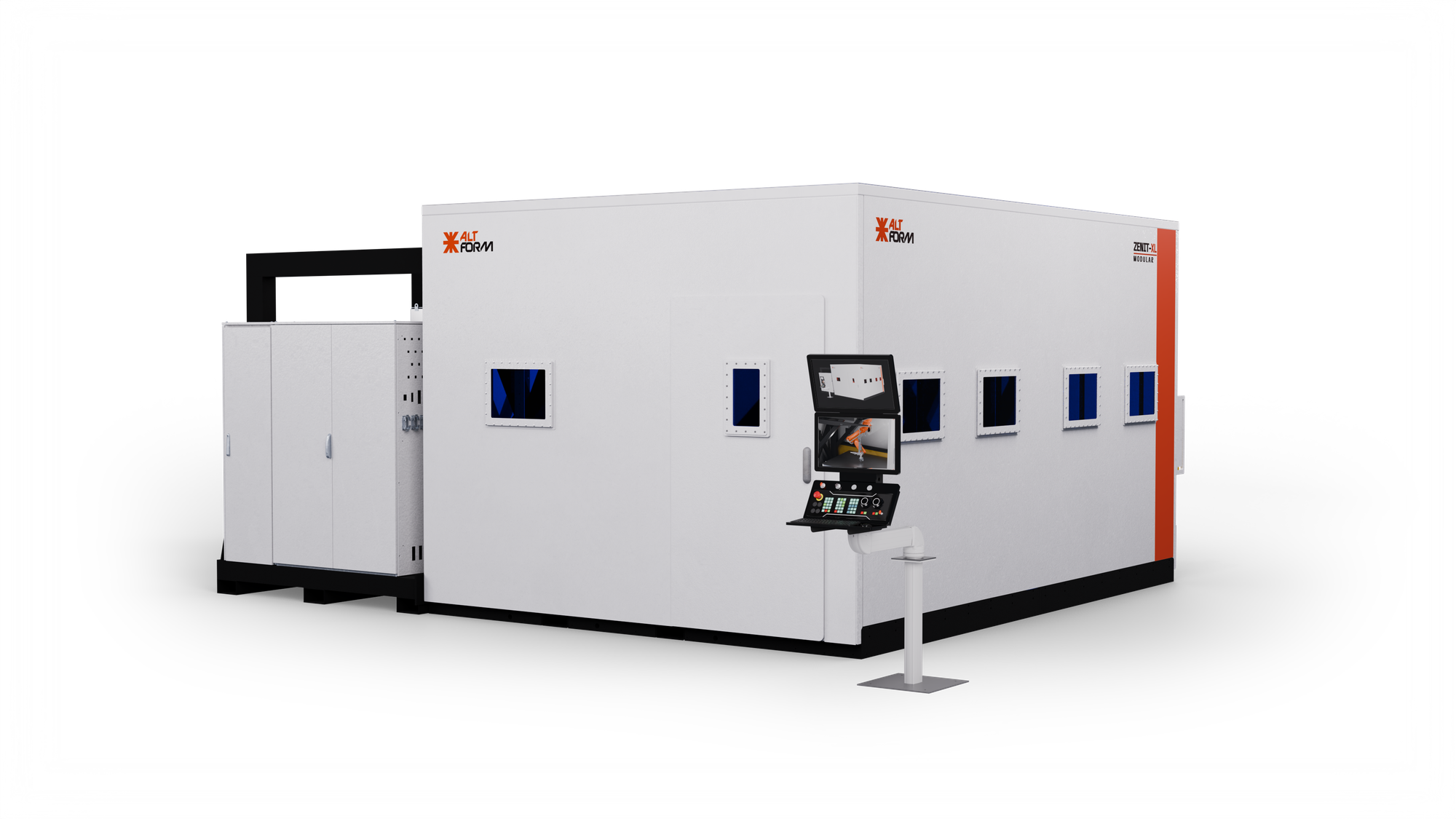
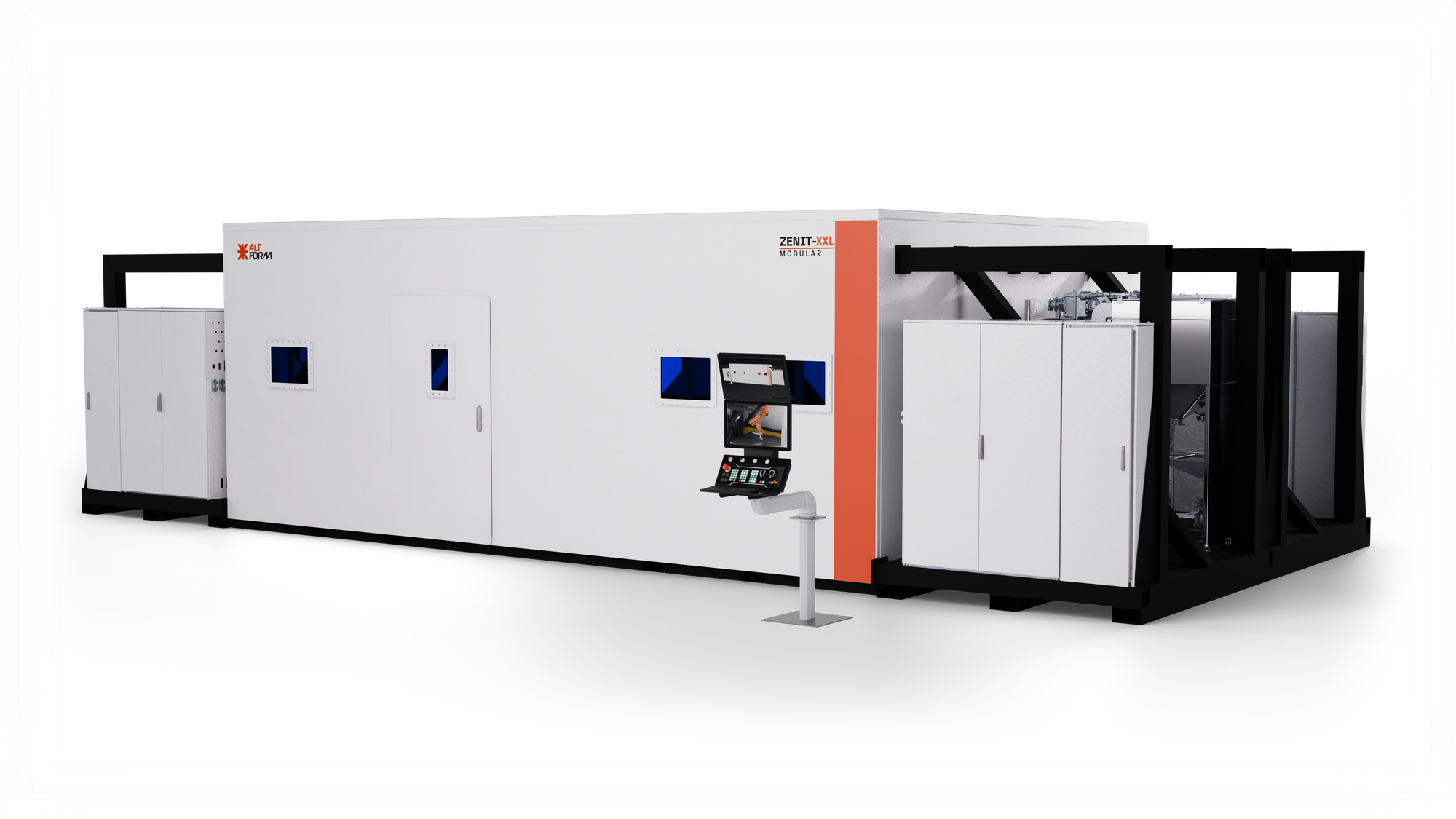
AltForm is expanding its metal additive manufacturing portfolio with the launch of a series of three DED systems which boast varying build volumes.
ZENIT Modular has been developed in response to a need for 'large components in reactive alloys, produced on a system that grows with the manufacturer' in industries like aerospace and defence. Customers in those industries are said to be working with machines from the ZENIT Modular series already.
AltForm will showcase the new products at Formnext, alongside the metal powder bed fusion solutions it launched at last year's event.
PanOptimization | Physics-based thermo-mechanical simulation | Hall 11, D49
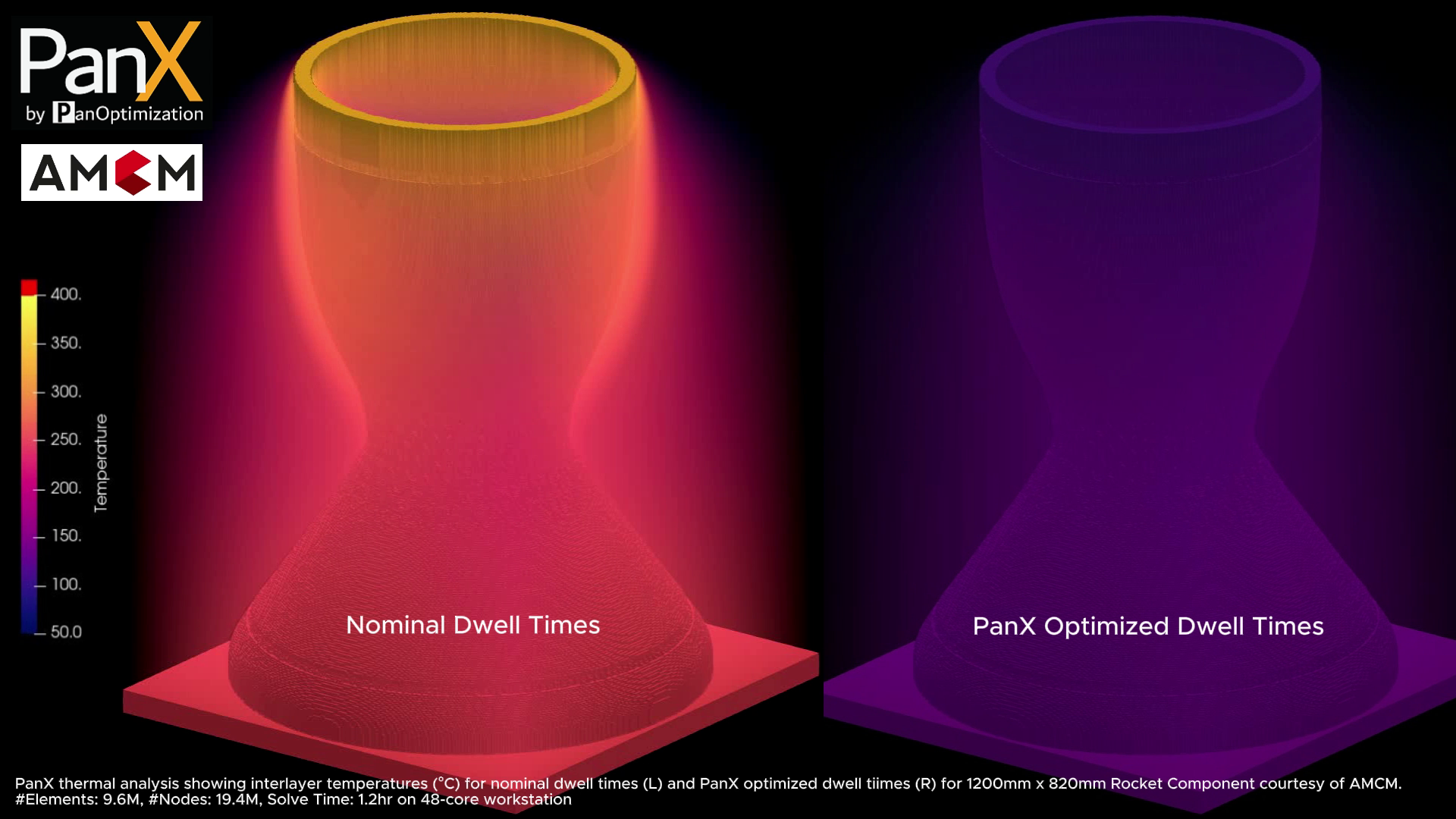
PanOptimization will present the physics-based thermo-mechanical simulation capabilities of its PanX solution at Formnext.
The company believes that too much process knowledge is still generated through physical iteration in metal additive manufacturing and is seeking to address that with a solution that moves more decision-making upstream.
PanOptimization has therefore designed a platform that is said to enable engineers to investigate how a complete build is likely to behave before manufacture, ensuring manufacturability and successful part qualification by simulating and optimising outcomes.
Tyler Nelson, Distinguished Engineer at PanOptimization, said, “The best conversations at Formnext will not begin with a software feature. They will begin with a build problem. Stop by and discuss with us your manufacturing challenges. That is where simulation becomes meaningful, when it turns uncertainty into a decision before the next build begins.”
Carbon | A spotlight on digitally programmed lattice structures | Hall 12.1, F109
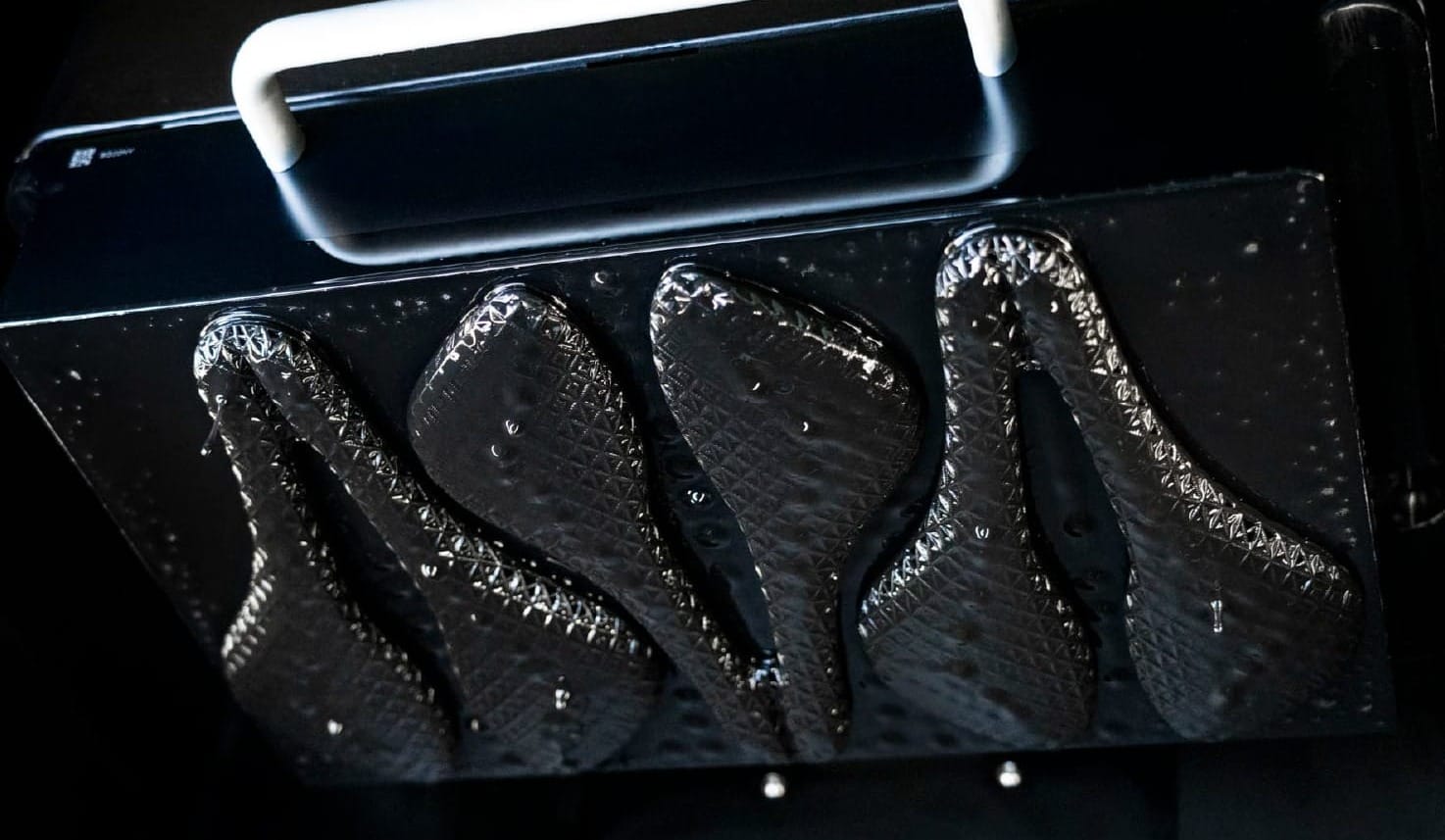
Having just surpassed one million bike saddles manufactured with its Digital Light Synthesis (DLS) 3D printing technology, Carbon will be shining a spotlight on the ability of digitally programmed lattice structures to deliver precisely tuned cushioning, support and mechanical performance in end-use products.
Carbon says it will put 'real-world production performance at the centre of its Formnext presence.'
The company will showcase customer applications already in production with leading global brands across sectors that, as well as cycling, include custom footwear, protective equipment, mobility seating, medtech, industrial and automotive.
amsight | A spotlight on digitally programmed lattice structures | Hall 12.1, E81
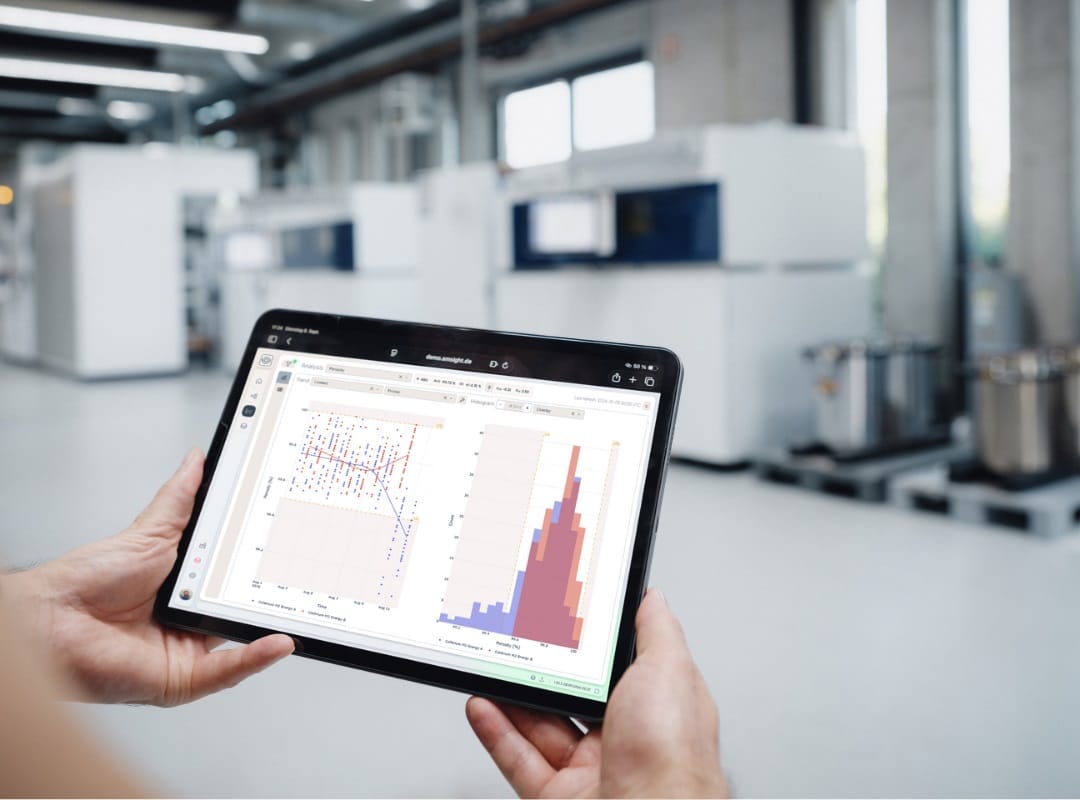
At Formnext, amsight will demonstrate how its AM-specific quality-management software addresses the challenge of information being scattered across spreadsheets, machine logs, laboratory reports, and individual departments.
The company is working to help manufacturers reduce administrative costs, improve process stability, and accelerate the transition to scalable industrial production with its quality management software.
"Industrial AM does not lack data. What it often lacks is the ability to turn that data into a coherent account of how a part was produced and why the process can be trusted," explains Tim Wischeropp, Co-founder and CEO of amsight. "At Formnext, we want to demonstrate what changes when quality evidence becomes an integral part of production rather than something reconstructed afterwards."
Lynxter | A new level of productivity for silicone 3D printing | Hall 12.1, B71
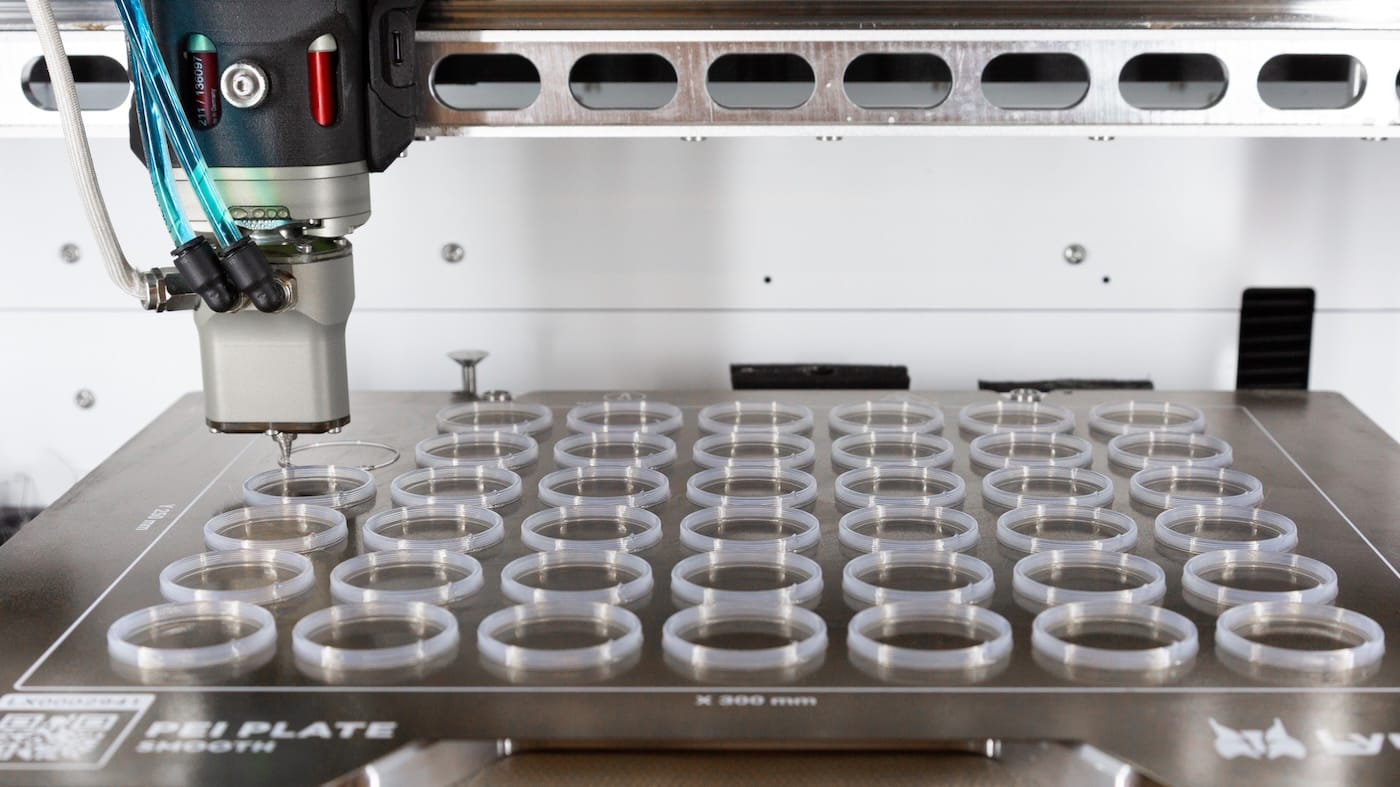
Lynxter says it has "finally succeeded in breaking through the glass ceiling of silicone 3D printing" with a new add-on that will make its debut at Formnext.
The French silicone 3D printing specialist has launched OVERTIME, a module for its S300X – LIQ21 | LIQ11 3D printers that promises bigger prints and productivity, without compromising material quality.
OVERTIME enables the full build volume of the machine to be used in a single print, and is said to overcome current constraints of silicone 3D printing, which is typically limited by the material's curing time inside the print head. OVERTIME extends the available print time, delivering what Lynxter believes equates to 36 x more printing autonomy, and the opportunity to create larger parts and thin-walled geometries at higher resolution.
Lithoz | 'A significant leap' for ceramic additive manufacturing | Hall 11.0, B50
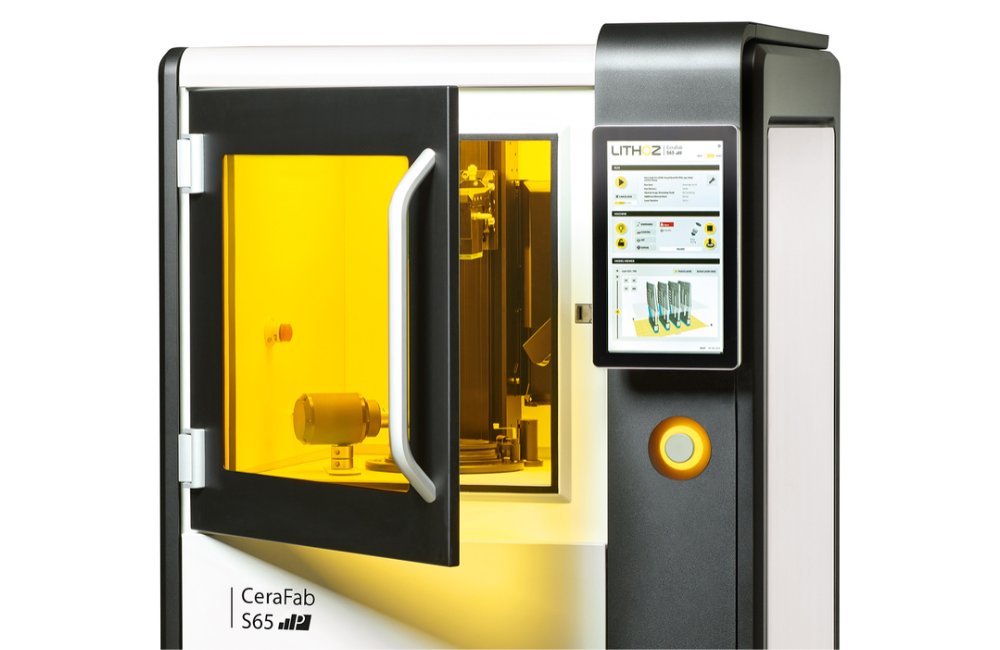
Lithoz will present its new "Performance Pack" at Formnext, an add-on for its CeraFab System S65 and S65 Medical printers.
Based on a 4K projection system, the tuning kit, which combines doubled light intensity with a 60% boost in resolution, is said to expand the capabilities of its Lithography-based Ceramic Manufacturing (LCM) technology, particularly for dark ceramics, which can be challenging for light-based curing systems.
The CeraFab System S65 Performance Pack will be shown live at the Lithoz booth (Hall 11.0, Stand B50), alongside several application firsts. Amongst them will be 116 aluminium nitride cool plates printed on a single CeraFab S320 platform.
CMS | A large-format Frankfurt debut | Hall 12.0, D51
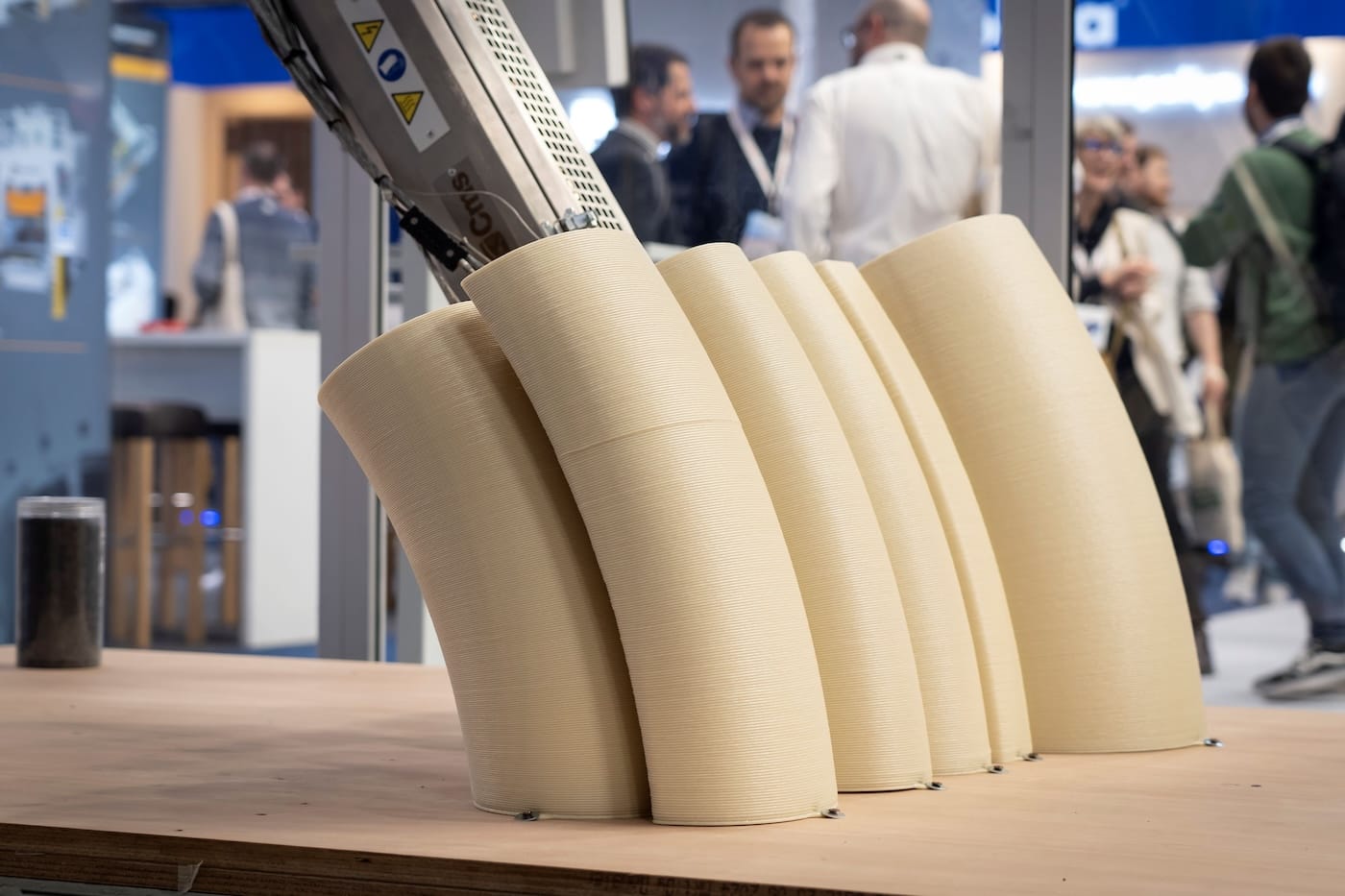
Following its launch earlier this year, CMS SpA will be bringing its six-axis Krearob robotic large format additive manufacturing (LFAM) system to Formnext for the first time.
The system is geared towards large thermoplastic tooling, moulds and complex components across aerospace, automotive and industrial manufacturing. Krearob will be printing live on the stand throughout alongside CMS's flagship screw extrusion-based Kreator A3 large-format 3D printer.
Marino Chiappa, Division Director, Advanced Materials & Plastic, said, "While Krearob meets the needs manufacturers in applications that demand multi-axis positioning and robotic flexibility, our gantry-based Kreator A3 takes a different approach to achieving manufacturing flexibility and is particularly suited to large-format printing applications within a defined machine envelope."
Cognitive Design Systems | Design of Experiments the flagship feature of latest software update | Hall 12.0, B22
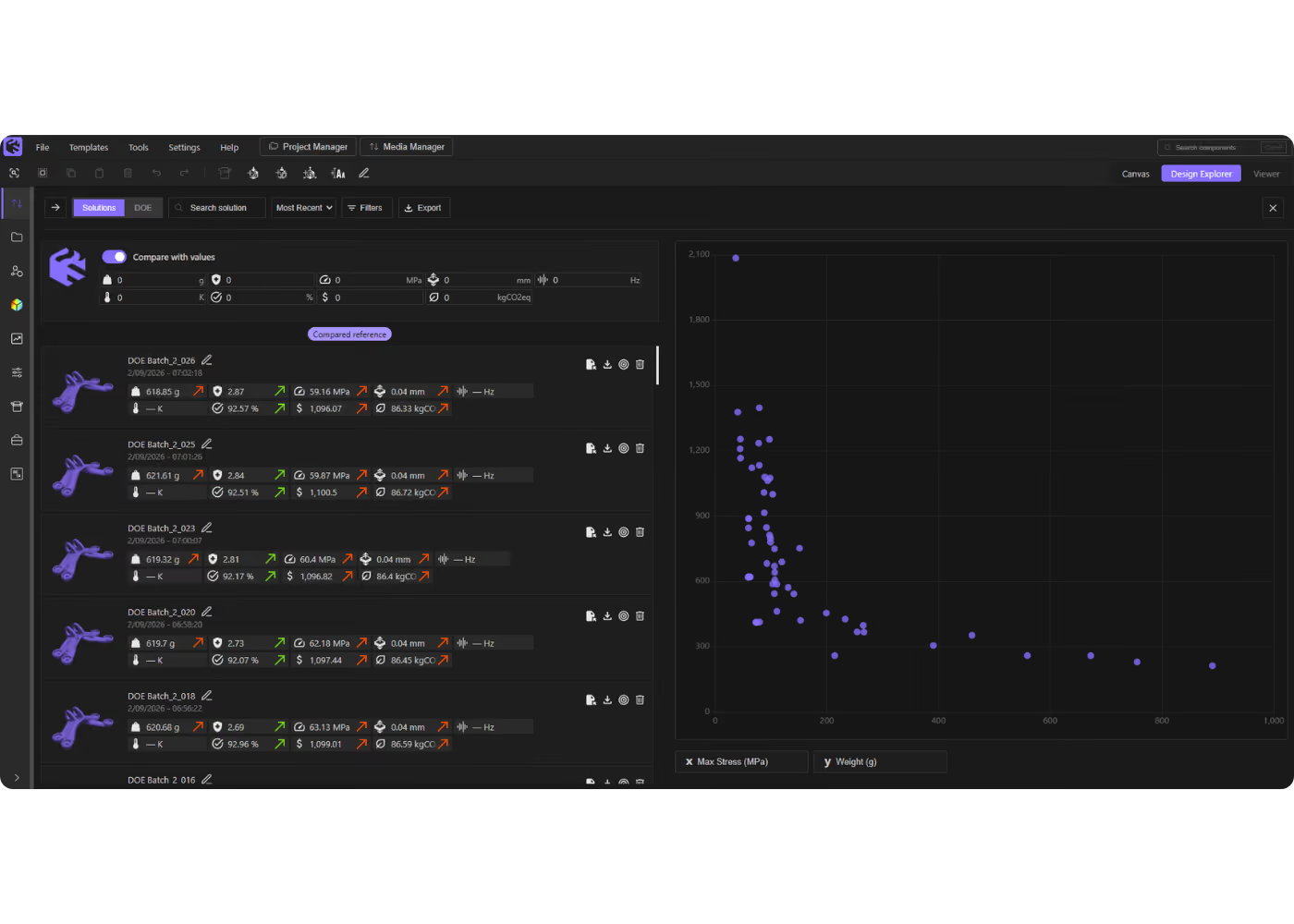
Cognitive Design Systems (CDS) will introduce a range of new capabilities at Formnext as it launches the latest update of its software platform.
Version 2.3 of Cognitive Design will feature automated Design of Experiments (DoE) as its ‘flagship capability’, which enables engineering teams to explore design alternatives systematically from the concept phase through to the Preliminary Design Review.
The company says the new capability positions Cognitive Design as a ‘concept exploration platform’ in which the existing capabilities of the software – such as generative design, design for manufacturing, and simulation-driven design – operate in service of a structured exploration process.
“At CDS, we are convinced that DoE delivers its greatest value at the concept phase, when the decisive choices on a part are still open,” said Rhushik Matroja, CEO of Cognitive Design Systems. “Our approach is to give engineers the means to base those choices on evidence, and to explore far more options than engineering hours have ever allowed."
Live demonstrations of DoE will be carried out on the CDS stand.
AMIS | Connected AM workflow with Phasio | Hall 12.1, F91
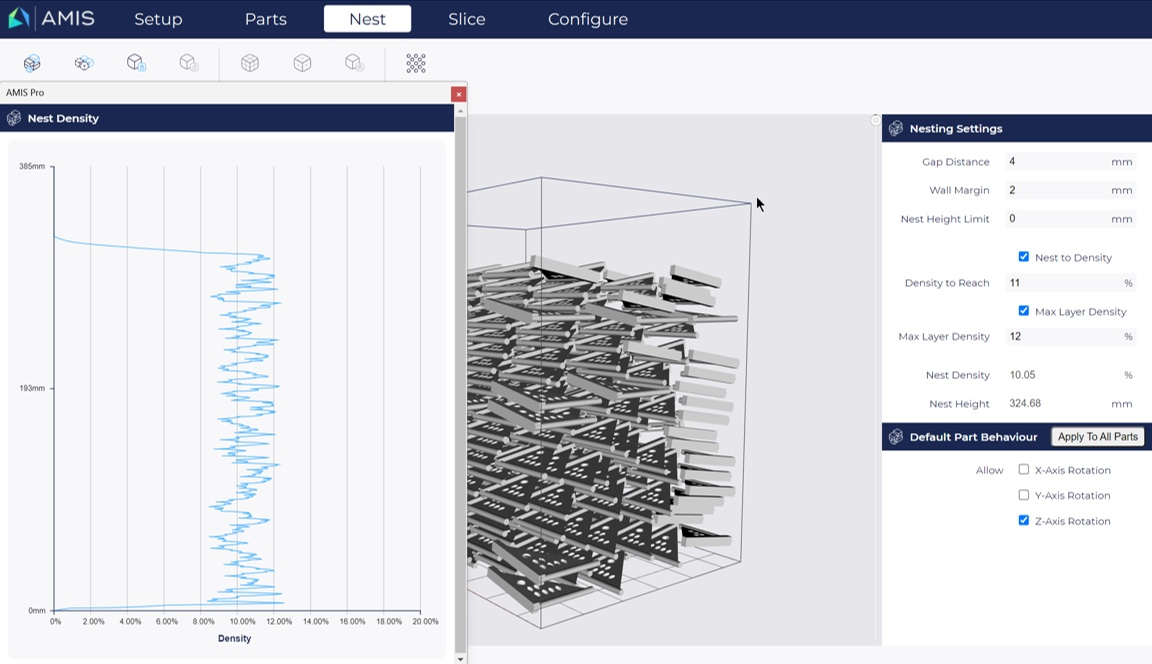
AMIS and Phasio will jointly demonstrate a connected additive manufacturing workflow at Formnext 2026, showing how manufacturers can move from incoming orders to production-ready builds, post-processing and delivery through a single, connected workflow.
The demonstration combines Phasio's manufacturing operating platform with AMIS' automated build preparation technology, enabling production data, priorities and due dates to flow directly into build preparation while maintaining full visibility throughout the manufacturing process. The process-driven dynamic production schedule shows the past performance, current state and future outlook in real time.
AM Solutions | New D3 post-processing solution for EOS P 770 | Hall 12, Stand E79
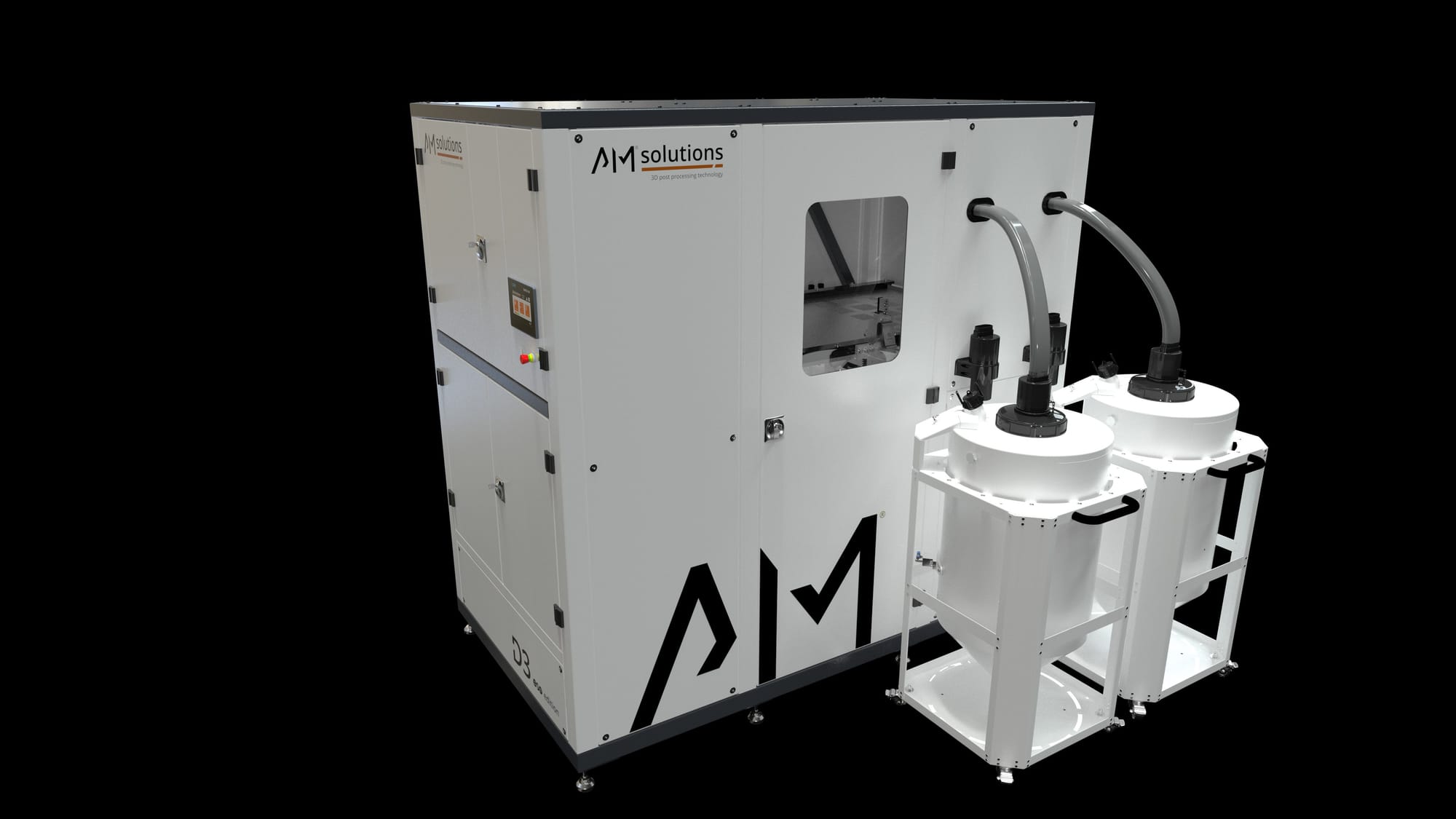
AM Solutions has introduced the D3 post-processing system for the unpacking of parts from the EOS P 770 3D printing systems.
Set to be premiered for the first time at Formnext 2026, the D3 is divided into three stations, with the build job passing through each sequentially within a ‘fully enclosed system.’ At the loading station, the exchangeable frame is loaded from the printer once the build job has cooled to approximately 60°C (unpacking temperatures of up to 100°C are an option ‘under certain conditions’). An electrically driven actuator then pushes the parts along with the powder into a chamber, which then moves into the central process station where it is secured and set in motion on a vibration platform. In the third station, the power discharge station, the powder flows through integrated screens and into the Polyboxes.
At the end of the cycle, the chamber returns to the loading station, and the exchangeable frame base lowers in a controlled manner together with the parts. This allows the parts to return to the exchangeable frame without any drop, where they are ready for removal. For a PA 12 build job, the entire unpacking process takes approximately 20 minutes, depending on build height and packing density.
Xact Metal | Users get complete freedom over LPBF build programming | Hall 12.0, C89
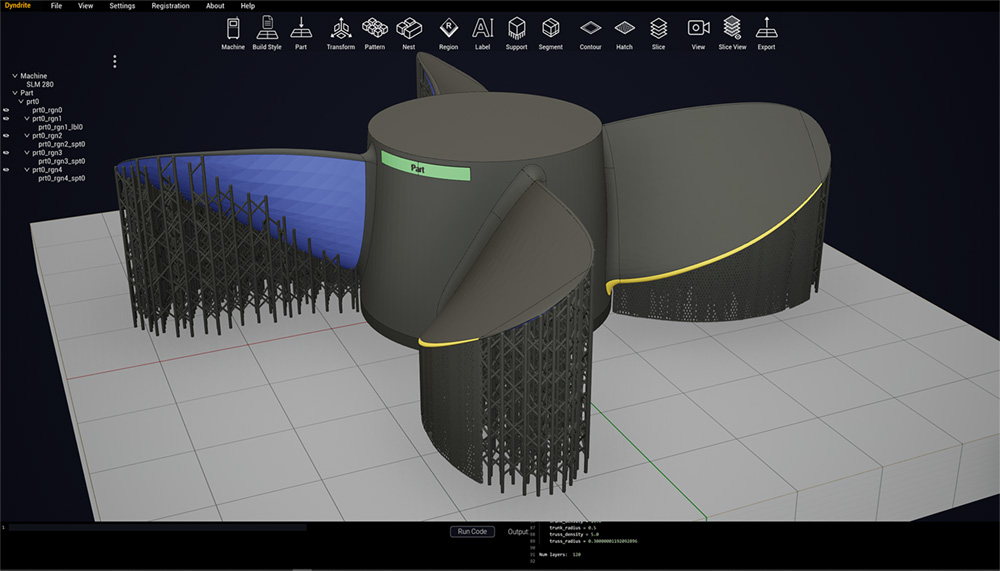
Xact Metal will demonstrate the new capabilities of its metal 3D printer range after partnering with Dyndrite.
Dyndrite's LPBF Pro software will now run on Xact’s metal additive manufacturing systems, with customers benefiting from advanced toolpath control capabilities, including arcs, Bezier curves, and wobble beyond linear moves, as well as delay and skywriting settings and more laser commands.
Xact Metal expects to see reduced print times, reduced defects, and reduced file sizes, as well as applications previously deemed ‘unweldable’ in LPBF.
Product launch details: Tuesday November 17 | 16:00 | Hall 12.0, Stand C89
ATLIX | Automated and continuous metal additive manufacturing | Hall 12.1, D99
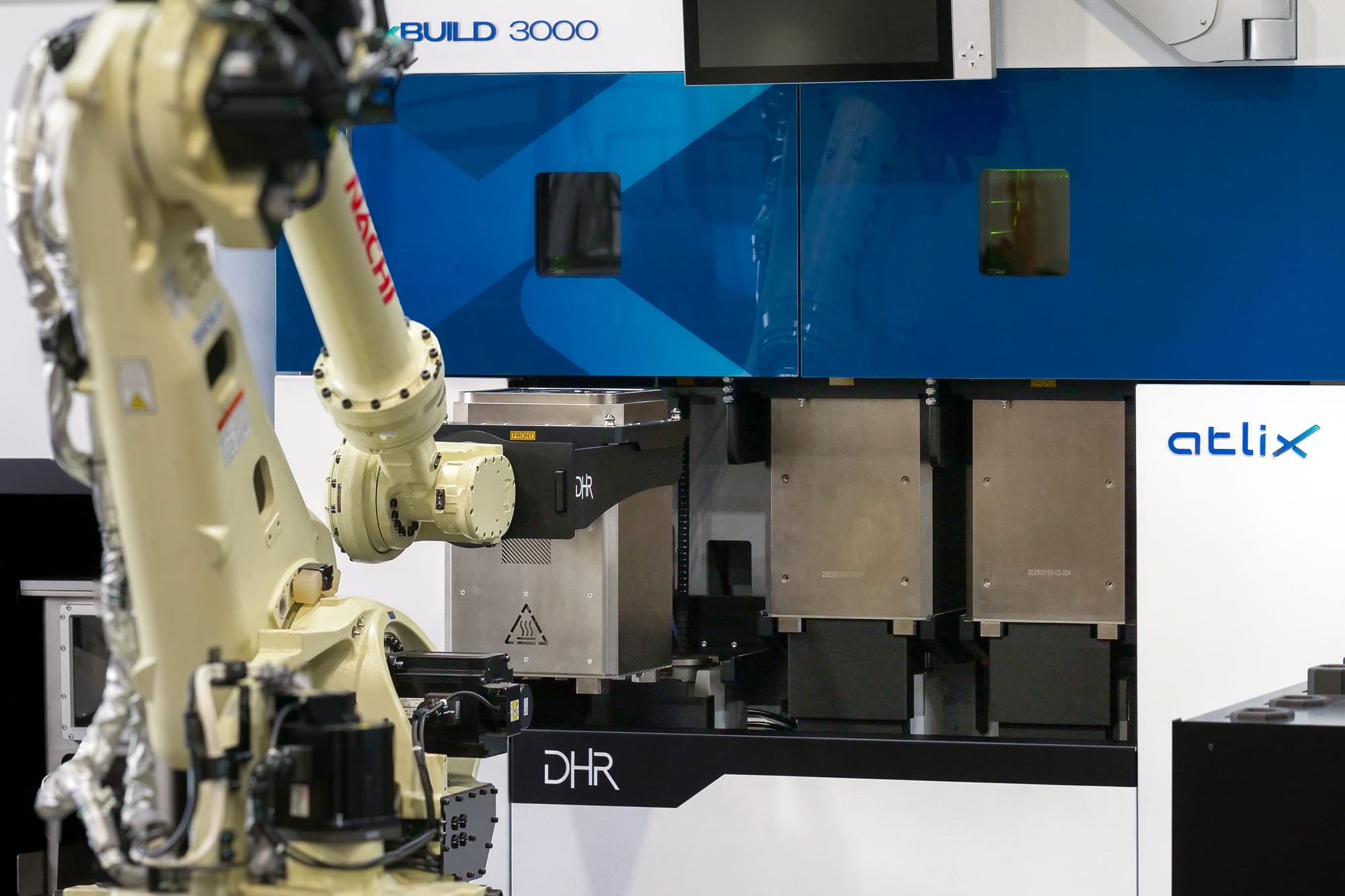
ATLIX will present the first result of its collaboration with DHR Engineering, a concept demonstration of the ATLIX xBUILD 3000 with DHR’s automation for continuous printing.
The ATLIX xBUIL 3000, with its 300 x 300 x 400 mm build volume and 2x 700W lasers, is designed for scalable series production across a wide range of metal materials.
DHR automated the printing workflow on the xBUILD 3000, both inside and outside the printer. An industrial robot handles work cylinder loading and unloading, supply cylinder exchange, recovery container transfers, and powder refilling at the sieving station. Integrated with a custom lid system inside the printer, the robotic cell transitions from one build to the next with zero manual intervention.
The result, the partners say, is a production concept designed for up to 98% machine utilisation, with shorter changeovers, less idle time and higher productivity, especially in high-mix, low-volume production.
Farsoon | Three new powder bed AM systems | Hall 11.0, E11
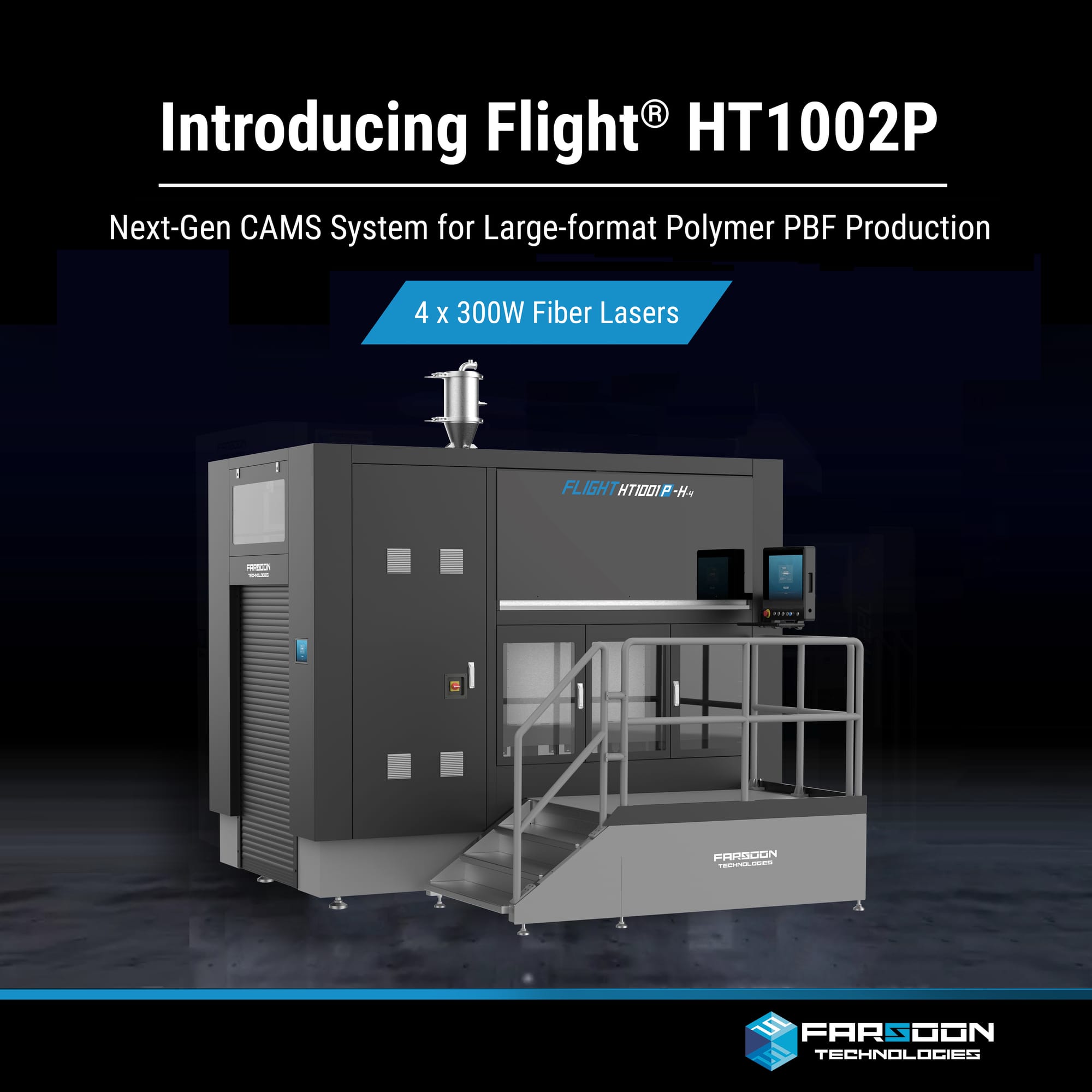
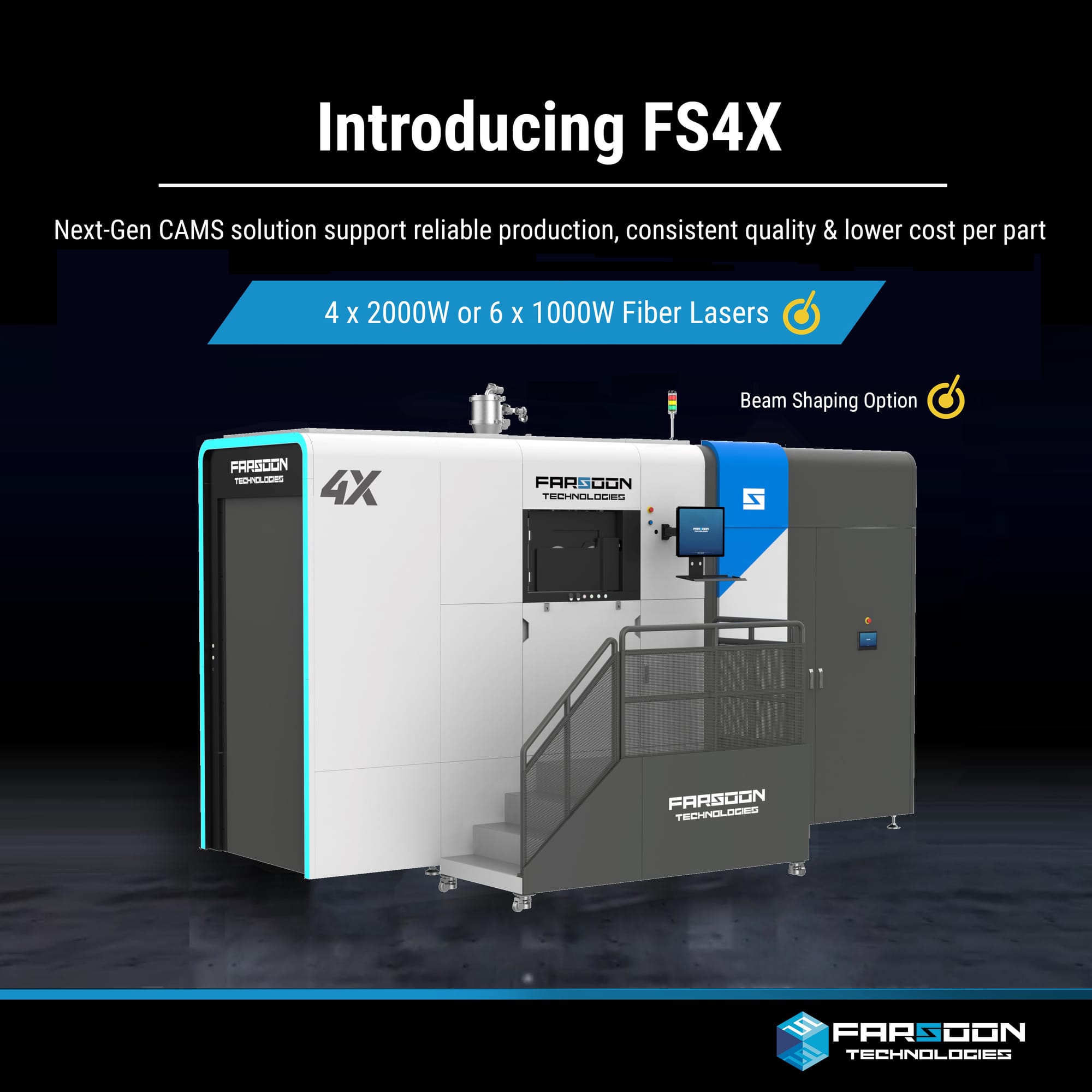
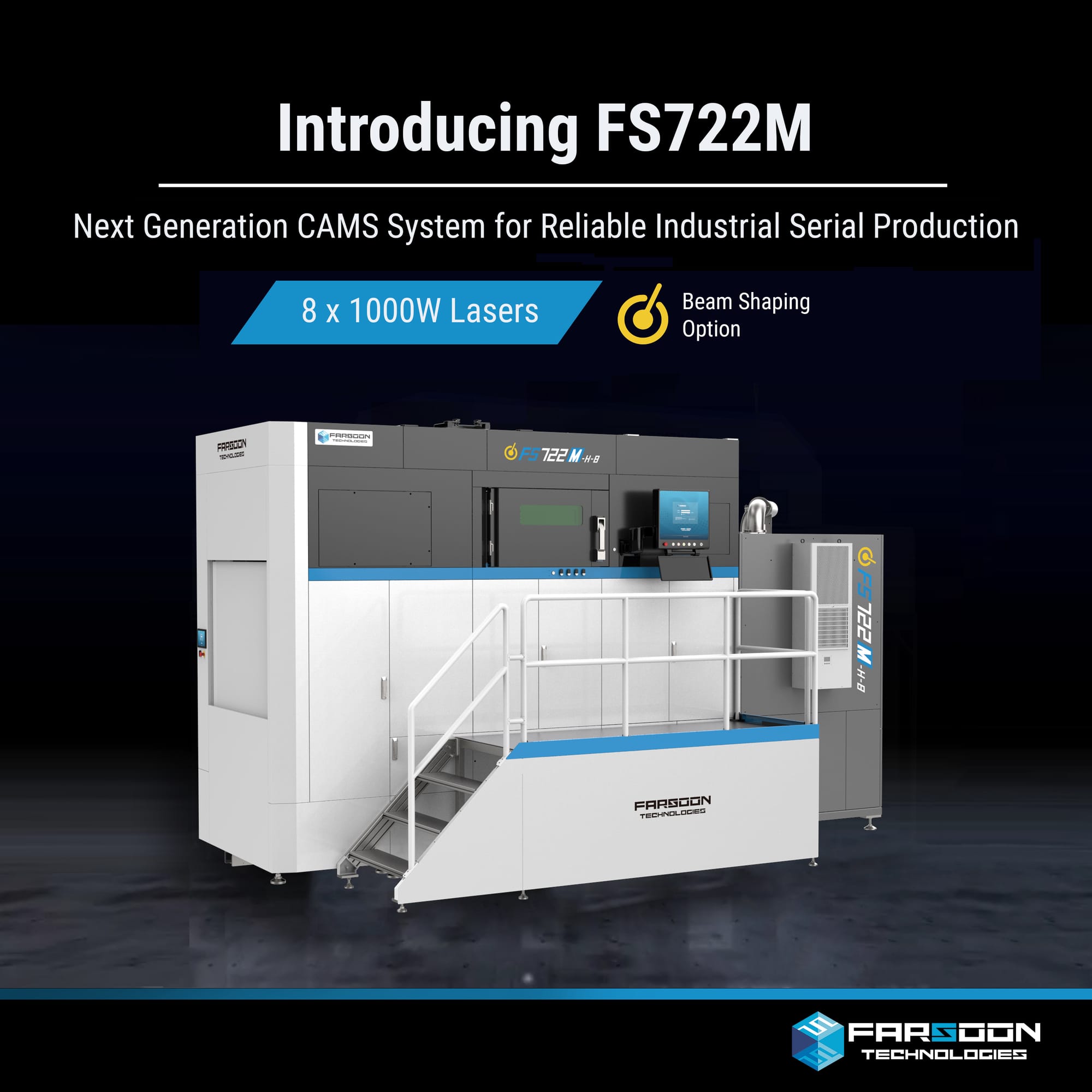
Farsoon is set to introduce two new metal AM systems and one polymer AM platform at Formnext.
All three are designed to scale automated series production, the company says.
The FS4X is an automated metal laser powder bed fusion platform that boasts a 99-litre build volume across a 425 × 425 × 550 mm envelope and is equipped with either 6×1,000 W or 4×2,000 W lasers and beam shaping.
The FS722M-CAMS (Large-Format Automated Metal LPBF) features a 720 × 420 × 650 mm build envelope and eight 1,000 W lasers, with up to 1,000 cm³/h build rate.
And the Flight HT1002P-CAMS (Large-Format Industrial Polymer SLS) boasts a 325-litre build envelope (1,000 × 500 × 650 mm) and is equipped with four 300 W fibre lasers, reaching scan speeds up to 20 m/s.


